- Home
- Faith + Family
- Christianity in Botswana


The Republic of Botswana is a landlocked country in Southern Africa. It shares borders with South Africa to the South and Southeast, Namibia to the West and North, Zambia and Zimbabwe to the Northeast. Botswana is connected to Zambia by Kazungula Bridge, across the world’s shortest border between two countries. The official language is English, while the capital city is Gaborone. Botswana has a population of 2,384,246, with Tswana as the dominant ethnic group at 73%. Others are Kalanga (18%), San (2%), Kgalagadi, Indian and European (7%). Christianity is the preferred religion of about 79.1% of the population. The breakdown is as follows: Protestant, 70.2%, other Christian denomination 8.9%; Atheism, 15.2%; Badimo or traditional religion, 4.1%; other faiths, 1.7%.
Modern History
Before its independence in 1966, Botswana was a British Protectorate known as Bechuanaland. It was also one of the poorest and least developed states in the world. Thee country is name after its dominant ethnic group, the Tswana. Since its independence, the Republic of Botswana has gained international stature as a peaceful and increasingly prosperous democratic state.
God’s Canvass
The country is divided into three main environmental regions. The hardveld region consists of rocky hill ranges and areas of shallow san d cover in the eastern axis. The sandveld region is the area of deep Kalahari sand covering the rest of the country. The third region consists of ancient lakebeds superimposed on the northern flank in the lowest part of the Kalahari Basin. The flora and fauna reflect these dichotomies.
Fauna
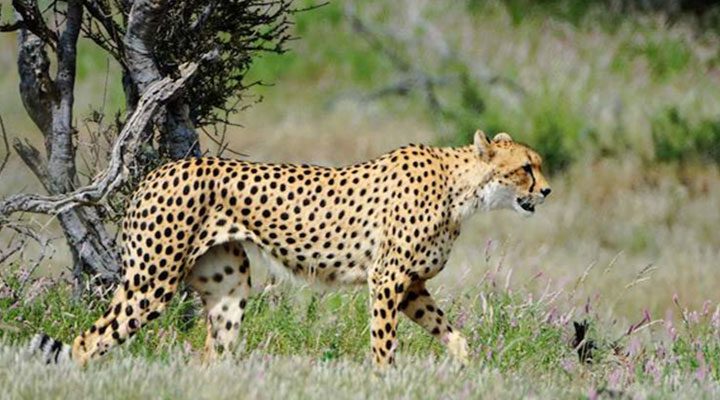
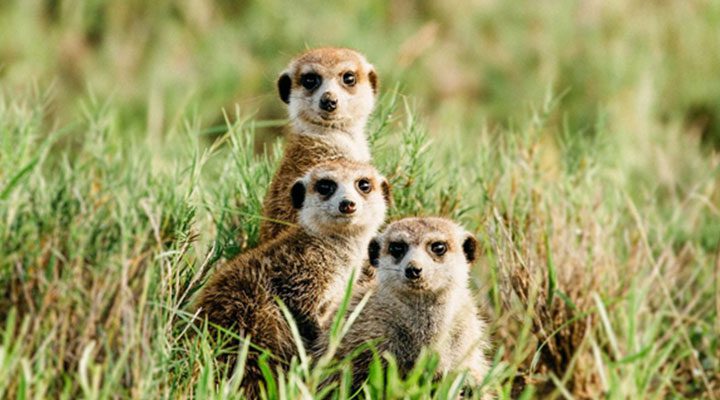
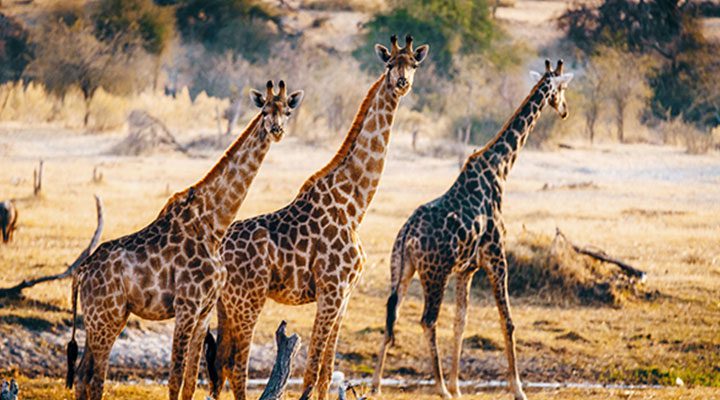
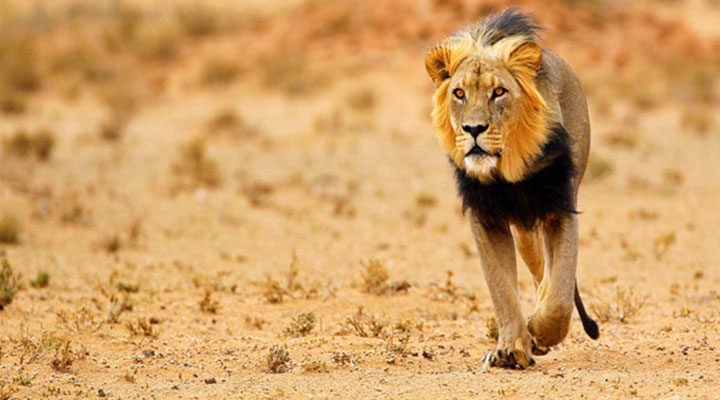
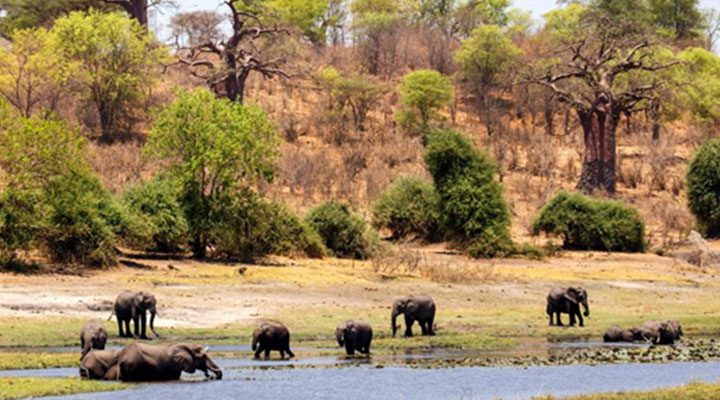
Botswana is the natural game reserve for most animals found in Southern Africa. These include lions, leopards, cheetahs, elephants, giraffes, zebras, hippopotamuses, buffalo, hyenas and 22 species of antelope. Some of them are shown below.

Flora
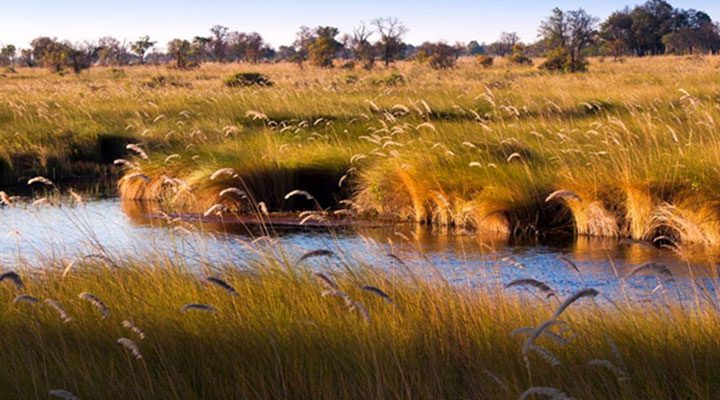
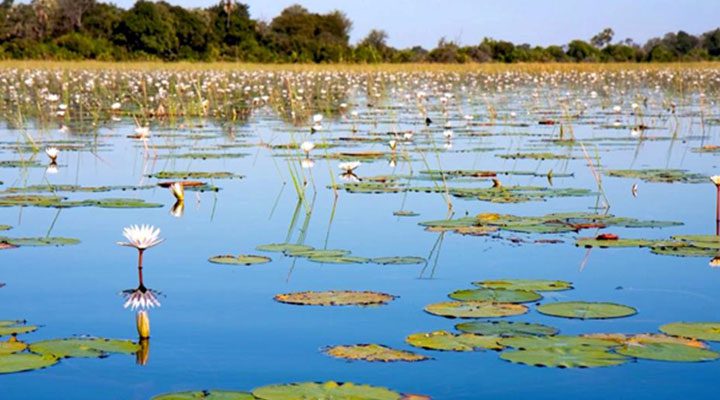
The vegetation in Botswana is called bushveld. This sub-tropical woodland covers much of Southern Africa. The Botswana bushveld is dominated by grassed plains but dotted with dense clusters of trees in the Eastern part of the country, the Okavango and Chobe; and tall shrubs in much of the central axis. Some of the flora native to the country are presented below.

Beaches

Culture
Botswana people believe in the rich culture of Botho-Ubuntu, “People are not individuals, living in a state of independence, but part of a community, living in relationships and interdependence.” They believe in working together and in being united. Although ethnic groups in the country have their different customs, they have developed some similarities, which are seen in the changing or developing languages as well as shared cultures. They also intermarry and live together in certain areas.
Traditional Attire
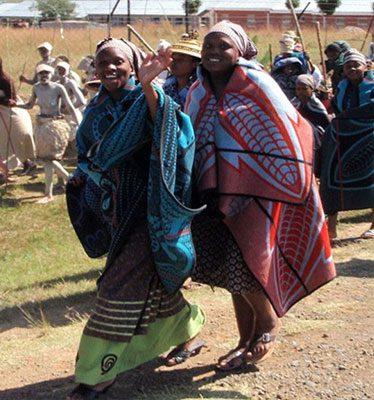
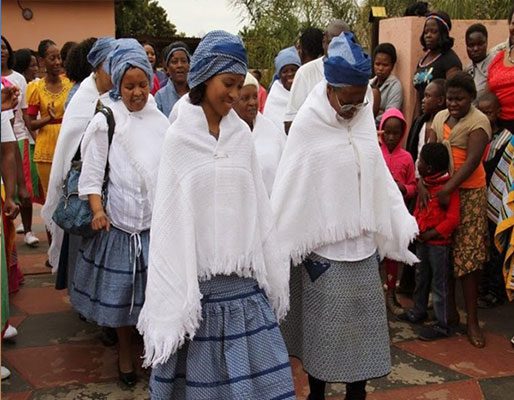
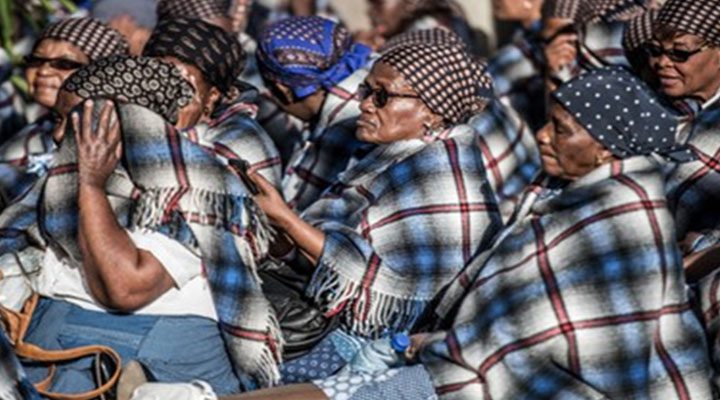
The country has rich and interesting clothing traditions. Many of them were formed under the influence of colonizers and missionaries who operated there between 19th and 20th centuries. Today traditional outfit is a mix of Western-style or Victorian era dresses with pieces of native clothing known as karoos; traditional blankets made from animal skins. Some notable traditional attires are shown below.

Cuisines
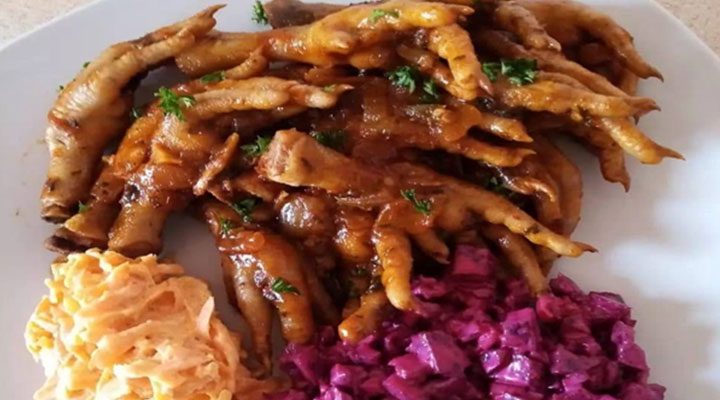
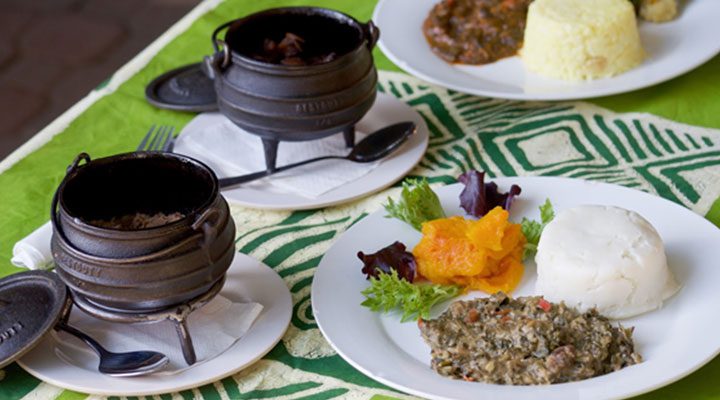
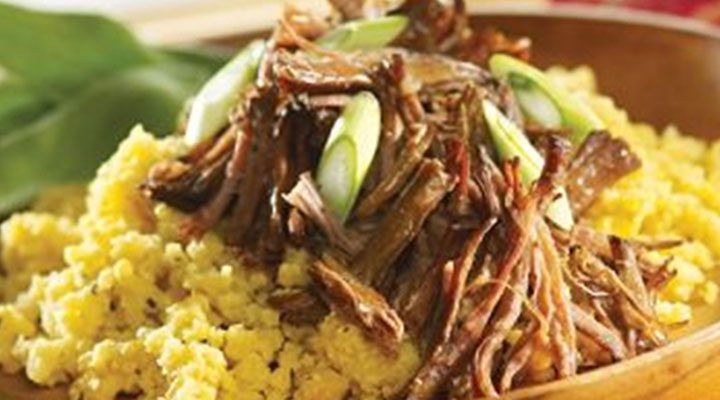
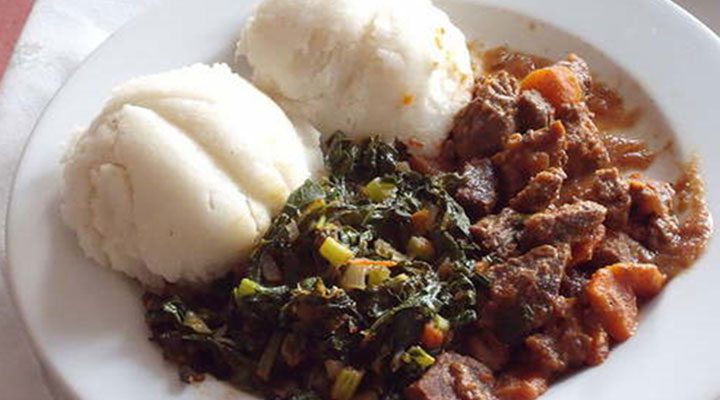
The cuisine of Botswana is unique but shares some characteristics with those of other countries in the region. The national dish is called Seswaa. This consists of a meat stew served over thick polenta or pap. Notable cuisines of the country are shown below.


Status of Christianity in Botswana
Many people in the country practice both Christianity and African traditional religion. Christian denominations there can be categorised into three groups: missionary churches, Pentecostal churches, and African independent churches. The term missionary church means that Christians from the West started these churches. Overall, Botswana needs a revival among Christians and a reawakening within the larger society. A country with more than 20% of its citizens under the grip of the power of darkness either as atheists or as ancestral worshippers deserves urgent intercession from God’s saints. Therefore, let us present the following request to God on behalf of its people.
Prayer Points
- Pray that God would blanket the entirety of Botswana and its people with His Spirit.
- Ask Him to remove the blindfold of satan from the minds, eyes and heart of Botswana people to enable them see, understand and accept the truth of the gospel of Jesus Christ.
- Pray that the Holy Spirit would empower the people to see themselves in the light of God’s word and lead them to repentance.
- Ask the Father to reveal Himself to those who doubt His existence.
- Pray that God would send workers into His harvest in the country.
- Ask the Father to capture the heart of the country’s President, Mokgweetsi Masisi and use him as a point of contact to reach his family, associates and others within his sphere of influence.
- Pray that the Father would sanctify Christian believers with His word and fill them with His Spirit for ministry of the word and prayer.
- Ask the Father to destroy wrong foundations laid in the lives of some Christians due to doctrinal errors and doctrines of demons.
- Pray that God would purge Christians of pollutions resulting from their unholy alliance with traditionalists, witches and sorcerers.
- Pray that the fire of the Holy Spirit would destroy every demonic infrastructure that satan and his agents are using to keep the people of Botswana in bondage.
- Pray that God would send labourers into His harvest in the country/
- Thank the Father for hearing and answering our prayers according to His will.
Intercession Checklist
- From the political map of Botswana provided in the text, select a town, city or region for focused prayer.
- Present the chosen geographical space to God and tell Him that you are claiming it for Christ as His ambassador.
- Tell the Father that you are standing on His charge to the Messiah in Psalm 2:8: “Ask of Me, and I shall give thee the heathen for thine inheritance, and the uttermost parts of the earth for thy possession.”
***** Some materials sourced from Botswana, https://en.m.wikipedia.org; Botswana, https://www.britannica.com.