- Home
- God's Canvass & Culture
- Christianity in Cameroon


Christianity in Cameroon: The Republic of Cameroon is located in Central Africa. It shares boundaries with Nigeria to the West and North, Chad to the Northeast, Central African Republic to the East, Equatorial Guinea, Gabon and Republic of Congo to the South. The capital is Yaoundé, while the largest city is Douala. The official languages are French and English.
Cameroon has a human population of 30,135,732, spread across several ethnic communities. These include Bamileke-Bamum, 24.3%; Beti/Bassa-Mbam, 21.6%; Biu-Mandara, 14.6%; Hausa, Kanuri and Shuwa, 11%; Adamawa-Ubangi (Mbum-Gbaya), 9.8%; Grassfielders, 7.7%; Pygmies, 3.3%; Sawa, 2.7%; Southwest Bantu, 0.7%; others/foreigners, 4.5%. The dominant religion in the country is Christianity embraced by 59.7% of the population. Others are Islam, 20.2%; traditional African religion, 19%; Atheism, 0.8%; other faiths, 0.3%.
Brief History
Cameroon as a political entity emerged from the colonization of Africa by Europeans. From 1884, it was a German colony. After the First World War, the League of Nations mandated France to administer the territory, with the United Kingdom in charge of a small portion in the West, giving rise to French Cameroon and British Cameroon. French Cameroon achieved independence on January 1, 1960. After Guinea, it was the second of France’s colonies in sub-Saharan Africa to attain independence.
On February 12, 1961, the results of the Southern Cameroon plebiscite were announced, which paved way for “reunification” with the Republic of Cameroon then under the leadership of Ahmadou Ahidjo. It is pertinent to note that the unification of British and French Cameroon has caused linguistic and cultural tensions in the country leading to violence in the Southern axis.
God’s Canvass
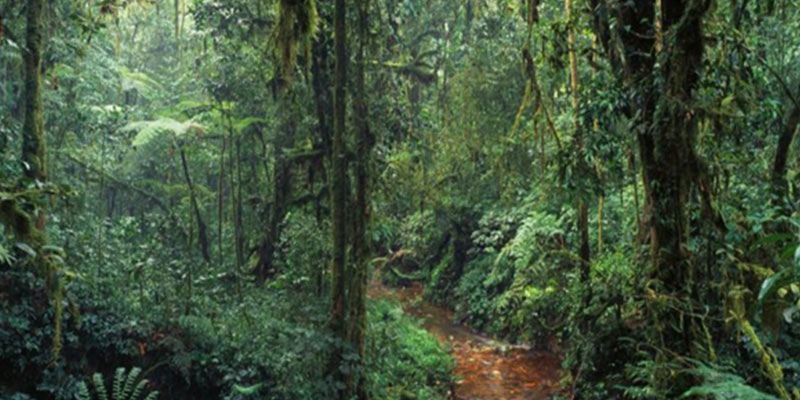
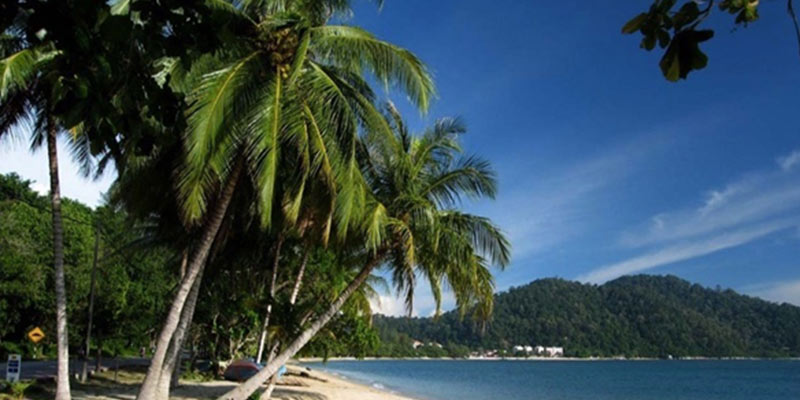
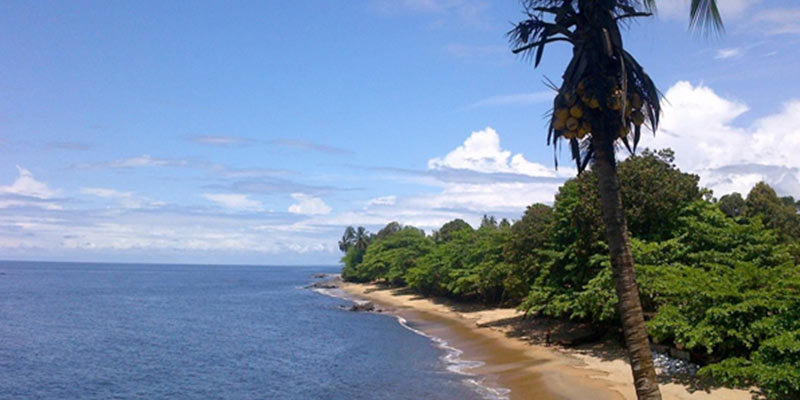
Various tourist literature describe Cameroon as “Miniature Africa” because it exhibits all major climates and vegetation of the continent: coast, desert, mountains, rainforest, and savannah. Equatorial rainforest dominates the South Cameroon Plateau, which is about 650 metres above the sea level. The country is also characterised by an irregular chain of mountains, hills and plateaus known as the Cameroon range. Other features of the country’s fauna and flora are presented below.
Fauna
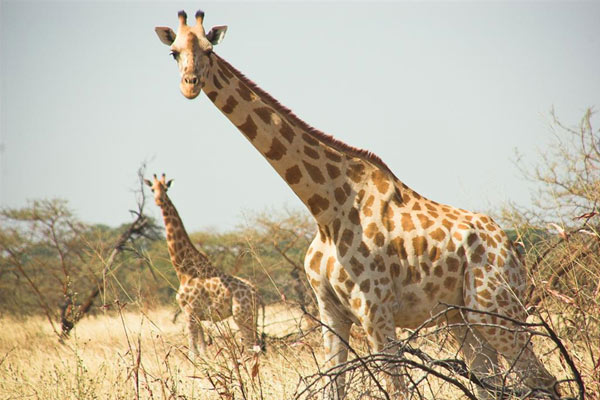
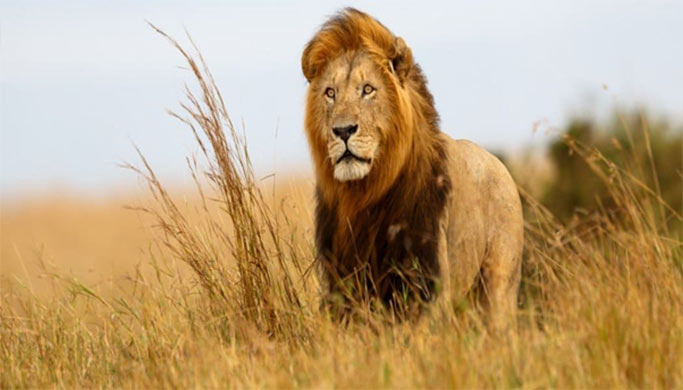
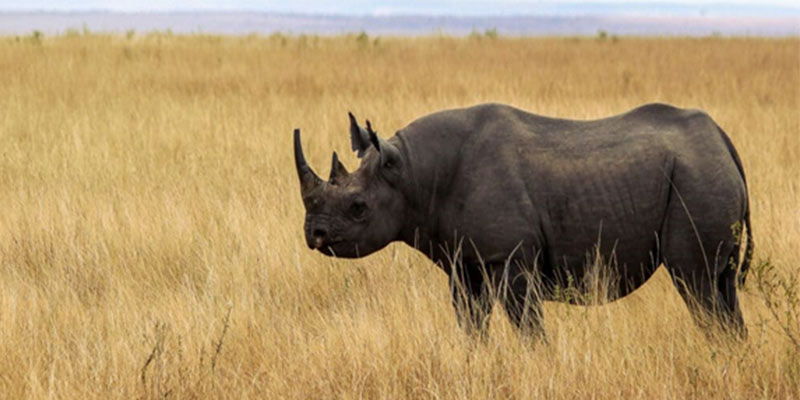
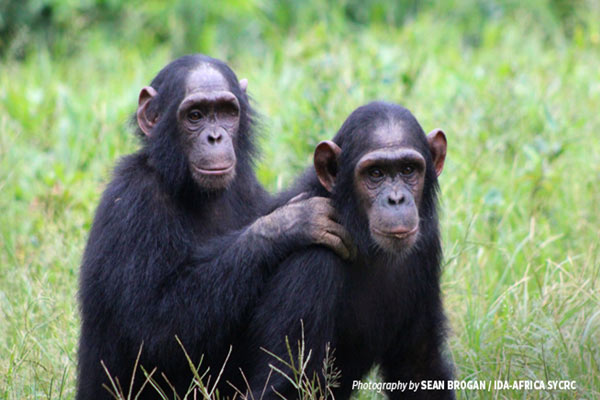
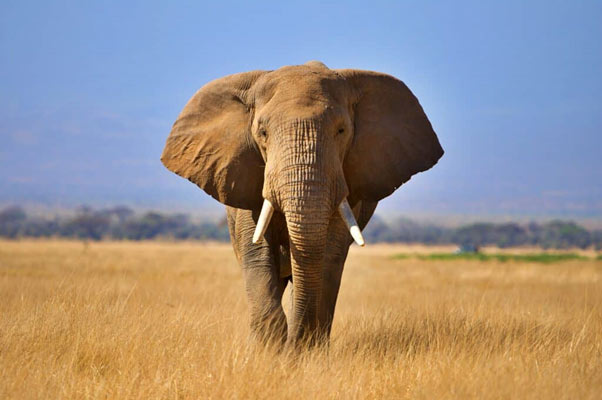
The country ranks fifth in fauna diversity in Africa. Animals native to Cameroon include lion, antelope, elephant, hog, gorilla and chameleons. Some of them are shown below.
Flora
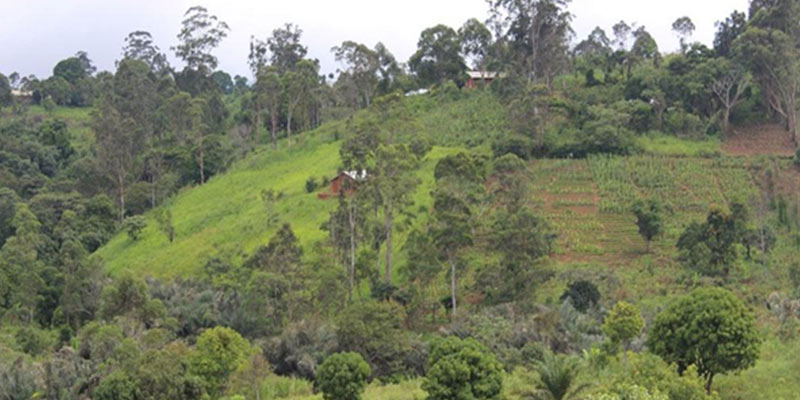
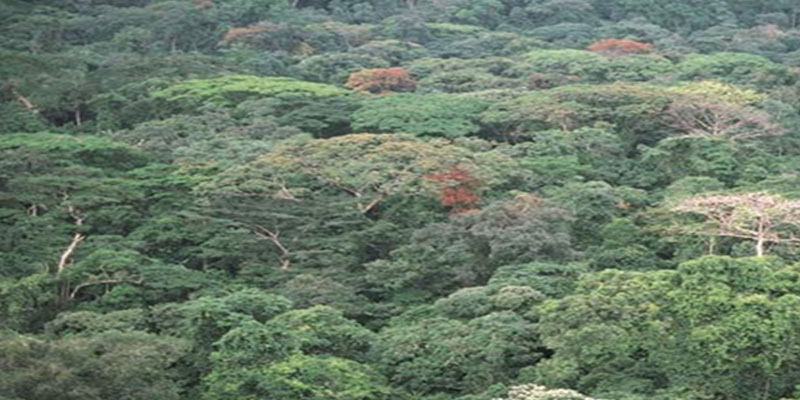
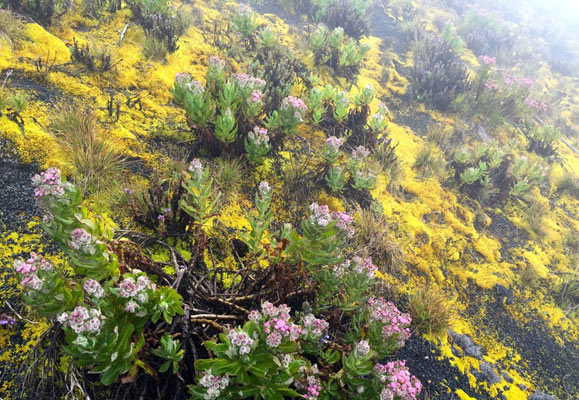
The flora of Cameroon comprises an estimated 8,000 species of plants. Some of them are presented in the pictures below.
Beaches
Culture
Cameroon has a rich and diverse culture made up of a mix of about 250 ethnic communities. The country is a group-oriented society in which family and friendship ties are strong and obligations run deeply. Cameroonian culture is expressed in its architecture, food, folk festival, ceremonies, arts and crafts, as well as social organization modelled on traditional values.
Traditional Attire
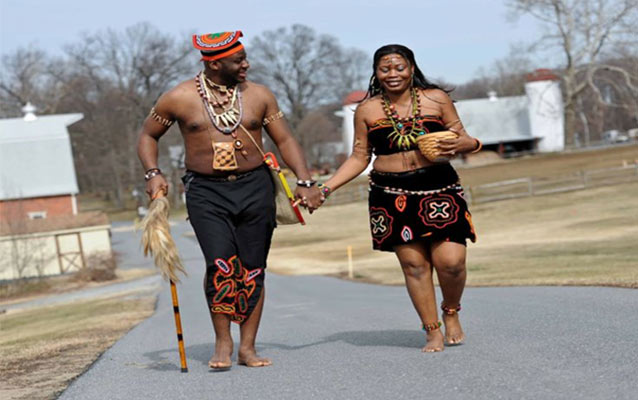
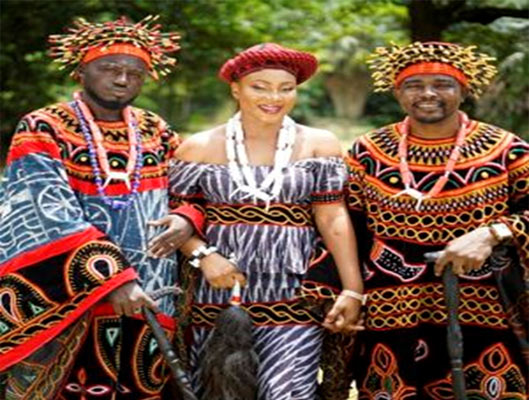
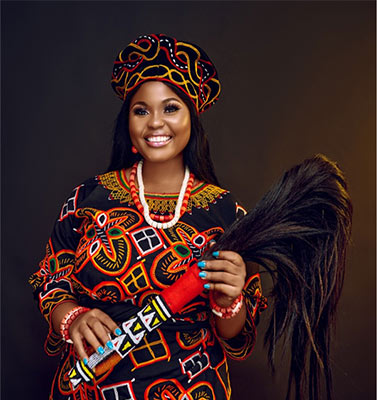
With its 10 regions, Cameroon has an impressive traditional clothing heritage: the Atoghu outfits are famous for their diverse forms and colour patterns. These traditional tunics are made of velvet fabric on which brightly coloured patterns are meticulously embroidered. Other ethnic groups also have their own unique traditional attire. Some of them are shown below.


Cuisine
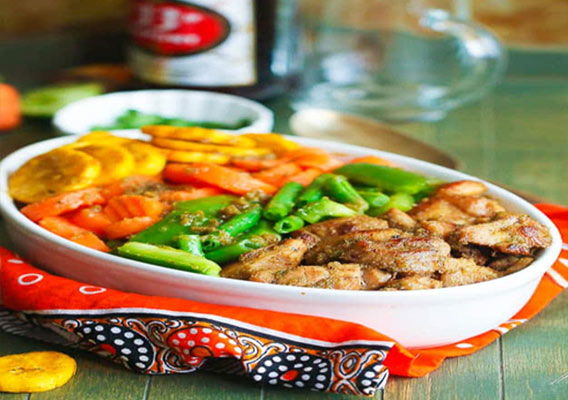
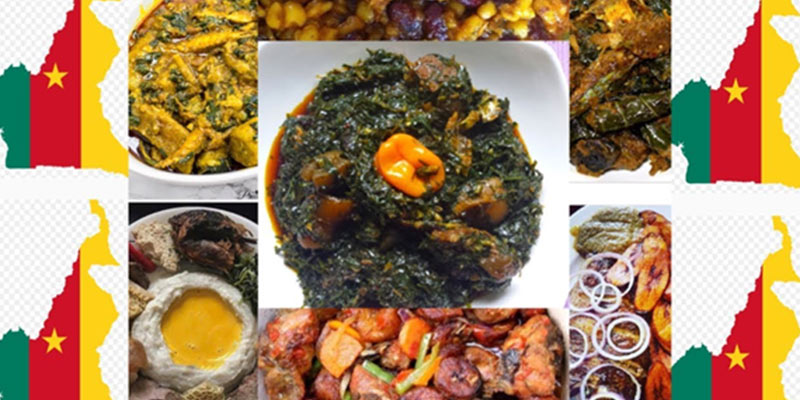
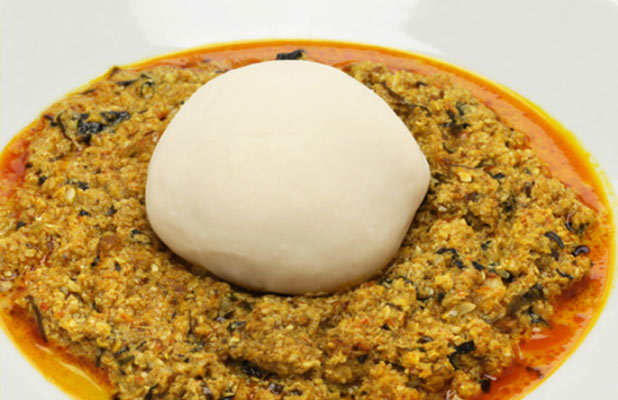
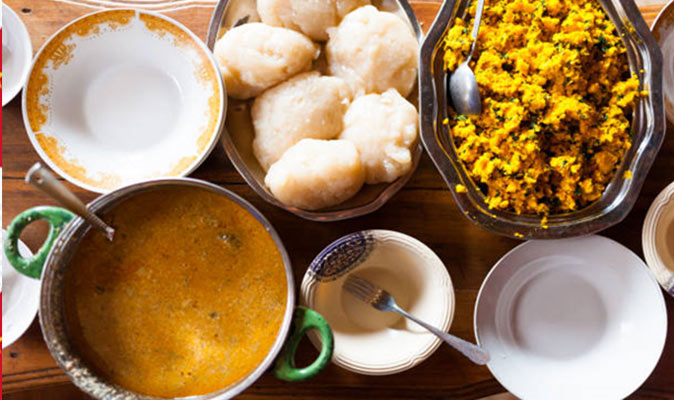
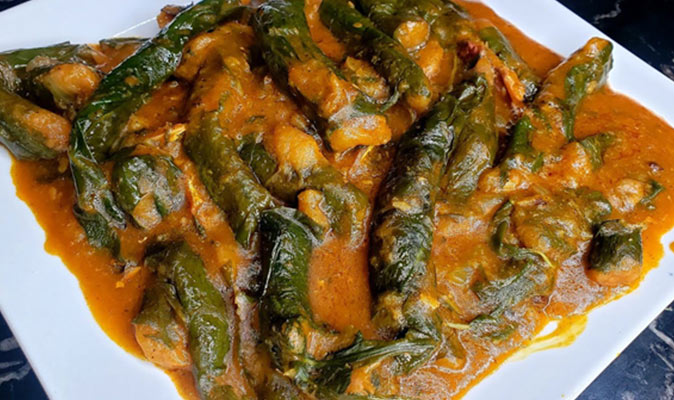
The country’s cuisine is the most varied in Africa due to its location at the crossroads of North, West and centre of the continent. Some of the popular dishes in Cameroon are shown below.
Status of Christianity in Cameroon
Roman Catholicism is the preferred faith of 38% of the population, while the figure for Protestant stands at 25.5%. Though Islam is not the dominant faith, those who convert to Christianity are under intense persecution by their unbelieving relatives and peers. In addition, the commitment of many Christians to their faith has been undermined by the influence of traditional African religion, which is deeply rooted in the country’s culture. Consequently, many believers still participate in traditional activities, especially cultural festivals. In 2 Corinthians 6:17, the Lord is emphatic that we, His children must steer clear of such pollutions. In the light of the following, we are taking the following prayer points for Cameroon and its people.
Prayer Points
- Ask the Father to pour out His Spirit on all unsaved persons in the country to bring them to repentance.
- Ask Him to judge and dethrone all demonic principalities and powers holding the people of Cameroon captive in line with His word in Jeremiah 10:11-16.
- Pray that God would use the country’s President, Paul Biya as a point of contact to touch his people.
- Ask the Father to remove the veil of darkness from the heart and mind of all Cameroonians to enable them receive the truth of the Gospel of Jesus Christ.
- Pray for a mighty outpouring of God’s Spirit in Muslim controlled areas to destroy the influence of false religions there.
- Ask the Father to destroy faulty foundations laid in the lives of believers through doctrinal errors and doctrines of demons.
- Pray that the Father would sanctify all Christians with His word and fill them with the Holy Spirit to minister Christ with their lives.
- Ask the Father to purge all Christians that have been polluted by their interactions with traditionalists.
- Pray that God would reveal Himself to those who doubt His existence.
- Ask the Father to send labourers into His harvest in Cameroon.
- Pray for the protection of missionaries operating in areas under the influence of Islamic fundamentalists and traditionalists.
Intercession Checklist
Use the political map of Cameroon provided in the article to select a region, city or town for focused prayer. Present the chosen geographical space to the Father and tell Him that you are claiming its people for Christ as His ambassador. The anchor Scripture is Psalm 2:8, “Ask of Me, and I shall give thee the heathen for thine inheritance, and the uttermost parts of the earth thy possession.”
*****Materials sourced from Cameroon, https://www.en.m.wikipedia.org