- Home
- God's Canvass & Culture
- Christianity in Costa Rica


Christianity in Costa Rica: The Republic of Costa Rica is located in the Central American region of North America. It shares borders with Nicaragua to the North, the Caribbean Sea to the Northeast, Panama to the Southeast, and the Pacific Ocean to the Southwest. The country also shares maritime border with Ecuador to the South of Cocos Island. Costa Rica has a human population of 5,044,197, spread across many ethnic groups.
These are White or Mestizo, 83.6%; Mixed Black and White or Mulatto, 6.7%; Indigenous, 2.4%; Black, 1.1%; others, 6.2%. The capital city is San Jose, while the official language is Spanish. Christianity is the dominant faith at 72.6%, with Roman Catholicism accounting for 47.5%; Protestants, 22.5% and other Christian denominations, 2.6%. Atheism thrives in the country at 27% of the population, while adherents of other faiths account for the remaining 0.4%.
Brief History
Costa Rica was originally part of the United Provinces of Central America, which had separated from Mexico in 1823. Although the United Provinces had broken up into El Salvador, Costa Rica Guatemala, Honduras, and Nicaragua in 1839, Costa Rica did not declare its independence until August 30, 1848. The incumbent President is Rodrigo Chaves.
God’s Canvass
The highest point in the country is Cerro Chirripo, at 3,819 metres. The most notable volcano is Irazu at 3,431 metres, while the largest lake is Arenal. Out of the 14 volcanoes in Costa Rica, six have been active in the last 75 years. The country experiences a tropical climate year-round, with two seasons. The dry season is from December to April, and the rainy season is from May to November. The fauna and flora of Costa Rica are presented below.
Fauna
Despite its size, relative to other bigger countries in the region, Costa Rica has the most diverse ecosystem. Its Corcovado National Park is internationally renowned among ecologists for its biodiversity, with animals including big cats and tapirs. Other components of its fauna include spider monkey, squirrel monkey, mantled howler, Toucans, Hummingbirds, Baird’s tapir, Red-eye tree frog, Jaguar, Kinkajou and Anteaters. Some of them are shown below.
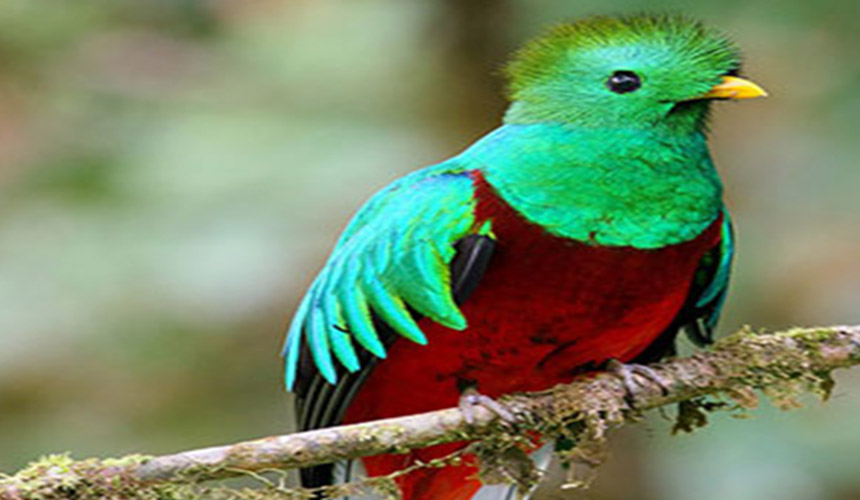
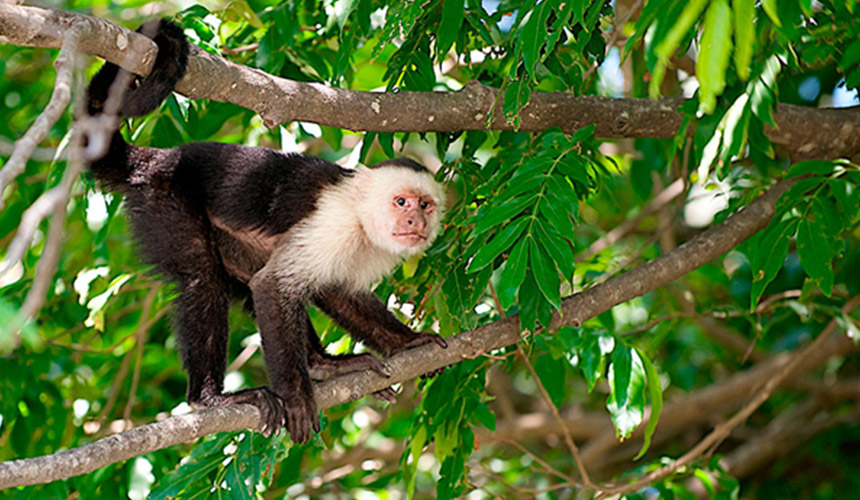
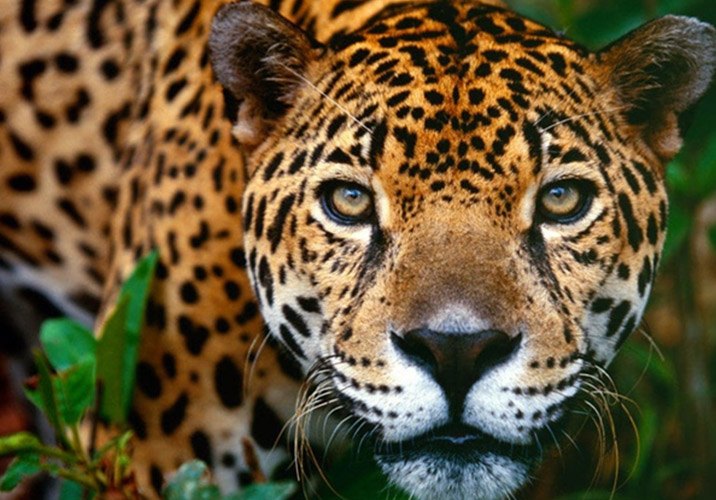

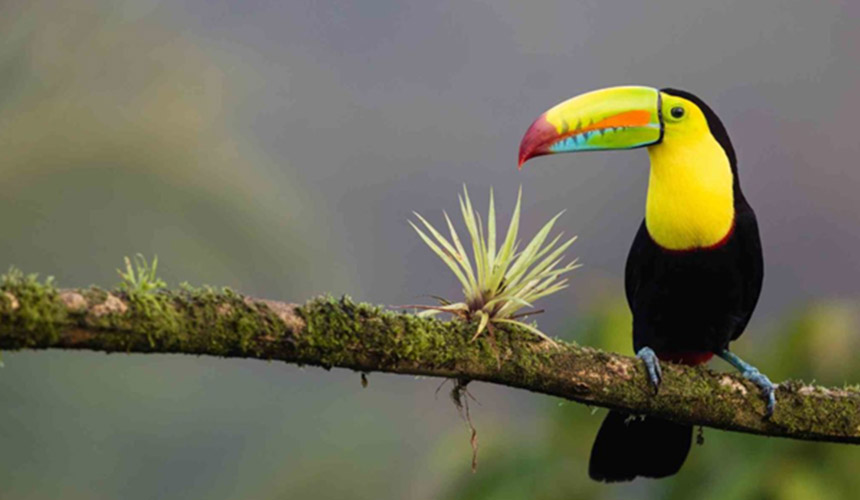
Flora
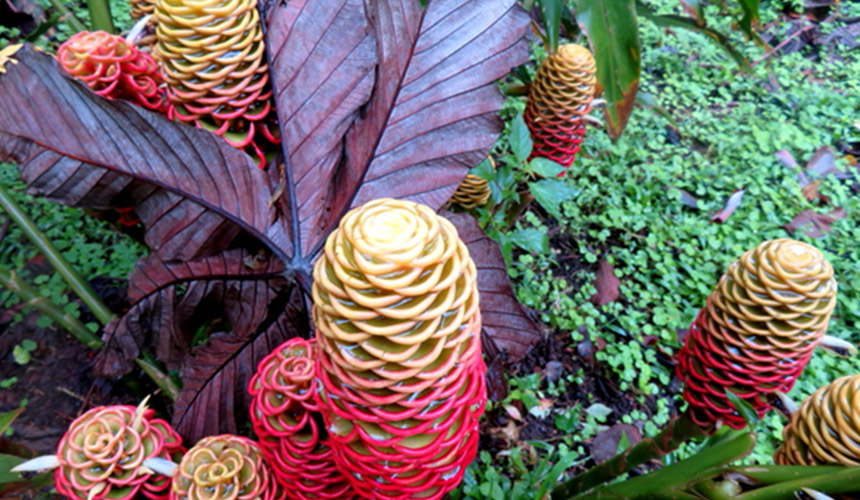
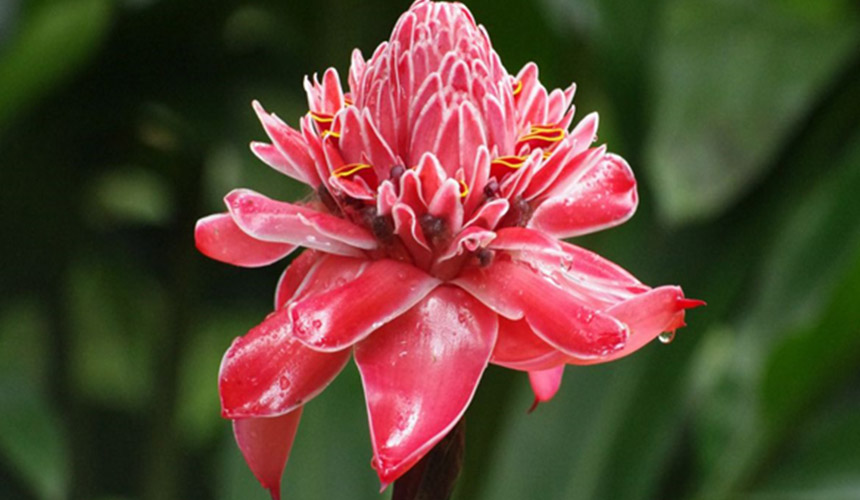
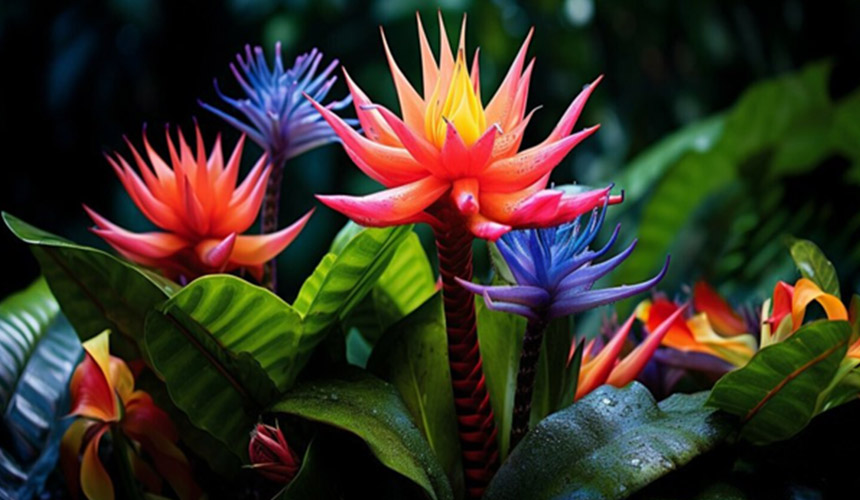
The country is home to numerous types of wood, grasses, and ferns. The landscape is characterised by giant trees, creepers and several types of palm trees. In addition, hundreds of orchids, dense mosses and brightly coloured bromeliads offer unusual photo motifs. Some of the plant species are presented below..

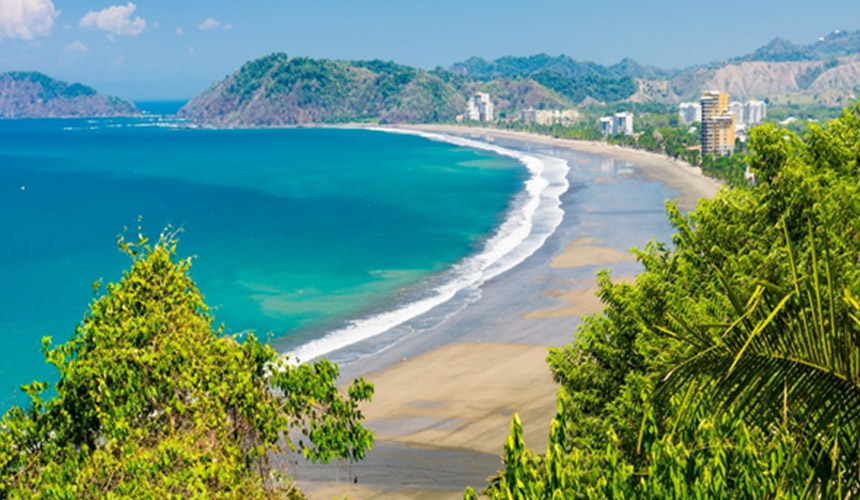
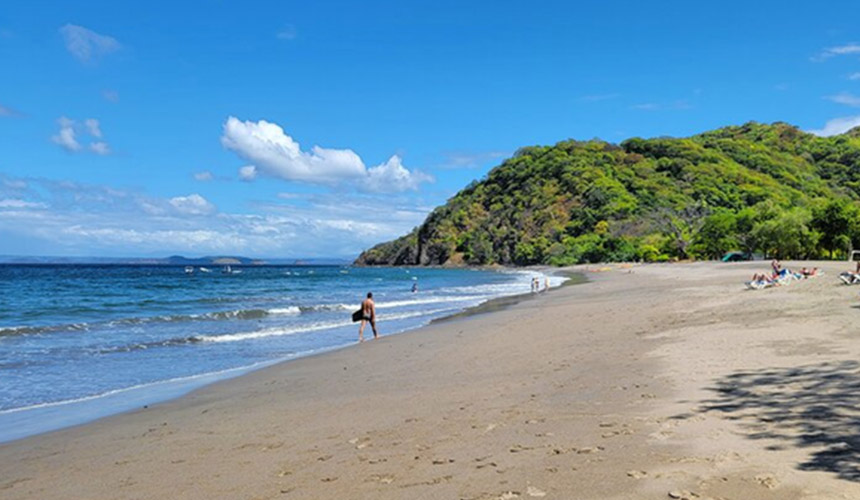
Beaches
Culture
Costa Rican culture is a vibrant blend of indigenous heritage and Spanish colonial influence. A dash of Jamaican, Chinese, and other immigrant cultures also lend character and customs to the country’s ethos. The result is a nation of laid-back, friendly and happy people.
Though the official language of the nation is Spanish, large portions of its population speak English, Bribri, Creole Mekatelyu and Chinese Mandarin as their first languages. Costa Ricans are very proud of the fact that their country does not have an army, as the government disbanded the Armed Forces in 1949.
Traditional Attire
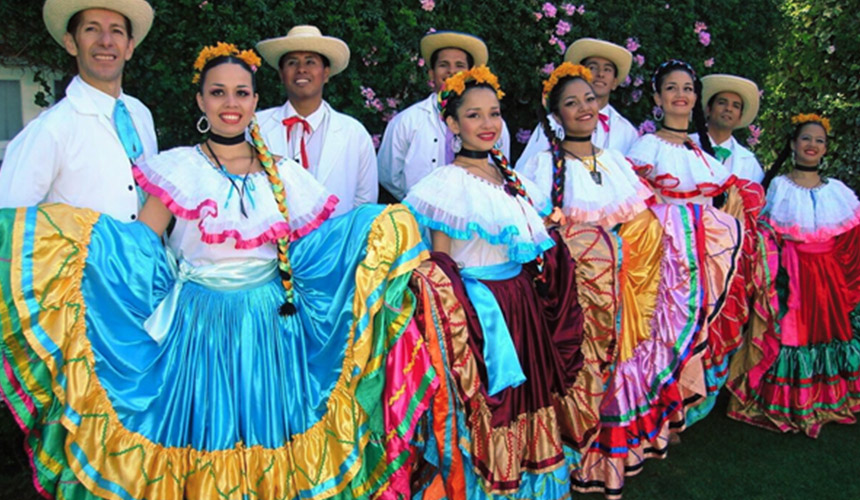
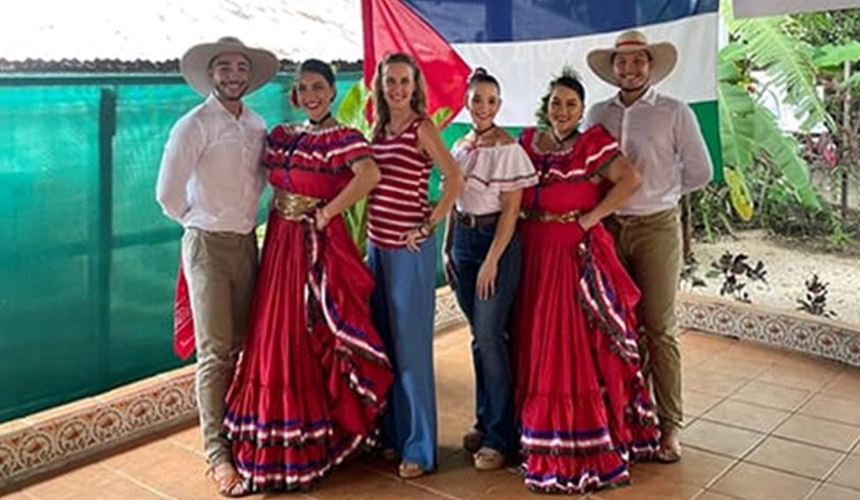
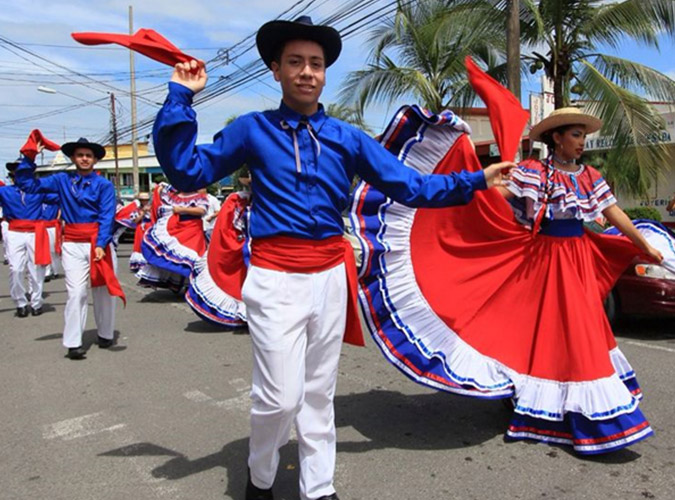
Many Costa Ricans, especially those living in cities wear Western clothes. However, those in the countryside adorn exotic traditional attires, which reflect the country’s Spanish roots, economic history, as well as passion for fun and dancing. For men, this means a shirt, jacket, and pants. These are often white, and give the wearer an elegant and classic look.
This is topped off by a wide-brimmed cowboy-style hat; a legacy of the traditional work done outdoors in the sun. A red cummerbund (a belt-like sash worn around the waist) is also usually included. This outfit as a whole demonstrates the proud nature of the Costa Rican people. Even the poorest farmers take pride in looking smart and presentable.
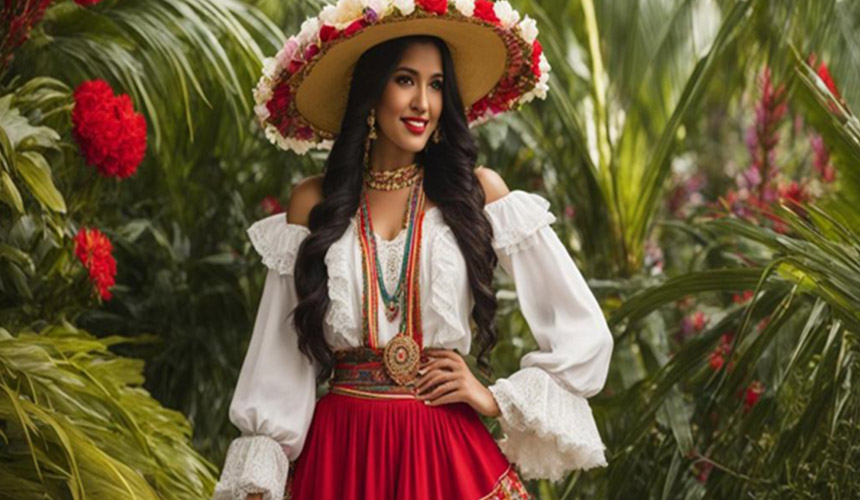
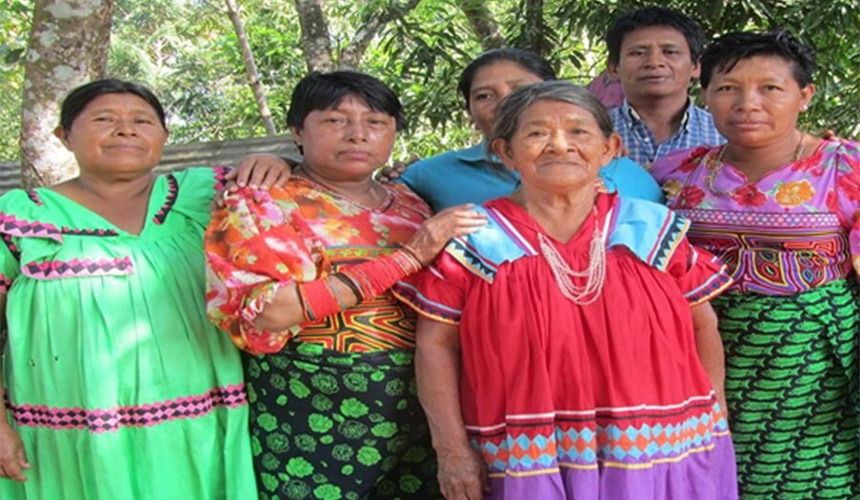
On the other hand, women traditionally wear very colourful ruffled blouses and long flowing skirts. They often braid their hair, and sometimes flowers are added as a final touch. Some of the traditional attires are shown below.
Cuisine
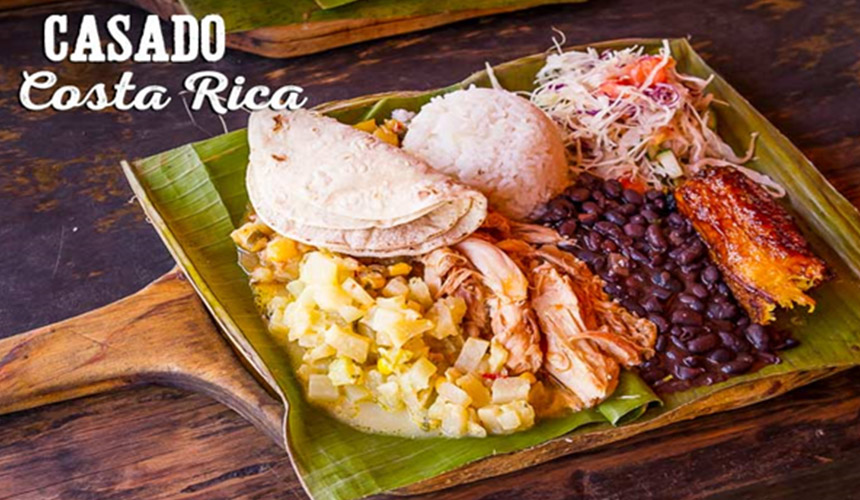
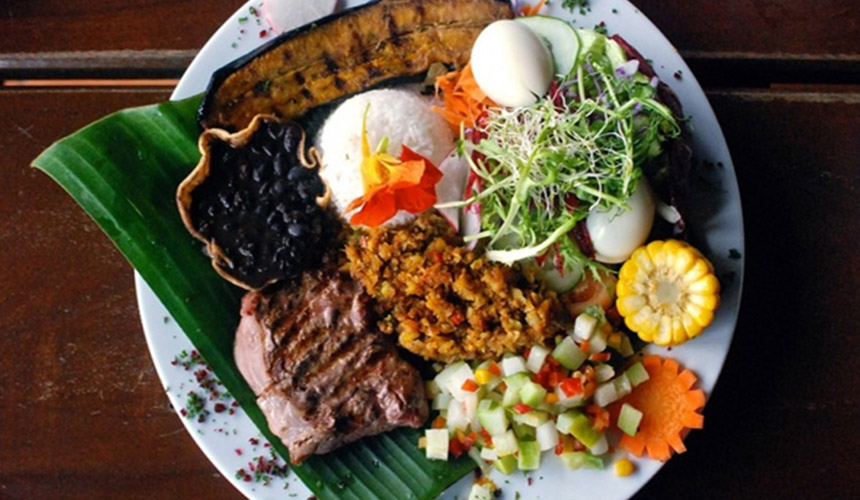
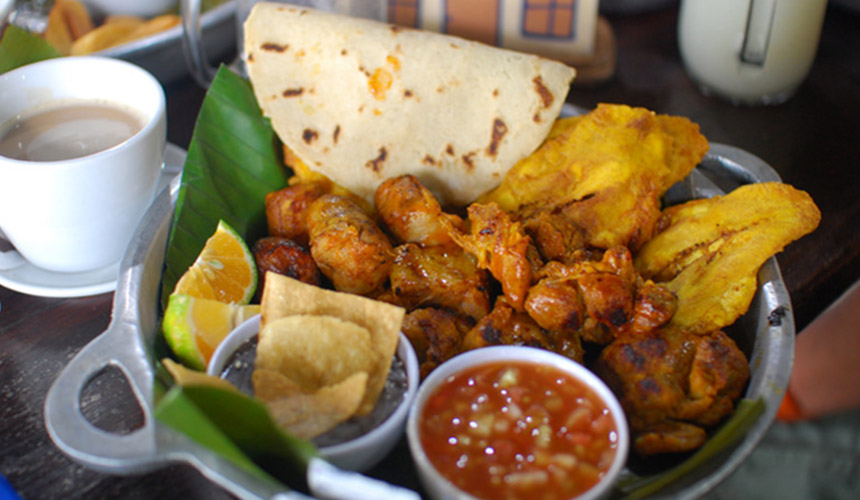
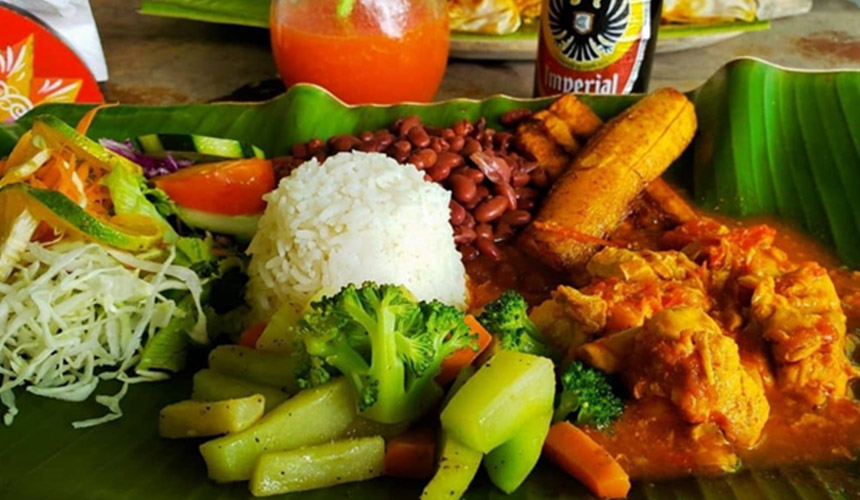
Costa Rican cuisine is known for being mostly mild, with high reliance on fruits and vegetables. Rice and black beans are a staple of most of the country’s traditional cuisine. Some notable ones are presented below.


Status of Christianity in Costa Rica
The Constitution of the country recognises Roman Catholicism as the state religion, and the law requires the state to contribute to the maintenance of the church. Viewed against the backdrop of opposition to evangelism by the incumbent Catholic leadership, specifically Pope Francis, it is important for believers to pray for the salvation of unsaved persons in the country. The following prayer points only serve as a guide. We exhort believers to pray as the Holy Spirit leads them.
Prayer Points
- Pray that the Father would pour out His Spirit on all unsaved souls in Costa Rica, as He promised to do on all flesh in Joel 2:28.
- Ask Him to destroy all infrastructure of darkness in the country.
- Pray that the Holy Spirit would remove all satanic veils from the hearts, minds and eyes of all Costa Ricans, and destroy all blockades in their ears preventing them from listening to the true Gospel of Jesus Christ.
- Pray that the Father would destroy all faulty spiritual foundations in the lives of those who profess Christ as their Saviour and Lord.
- Ask the Father to send labourers into His harvest in the country.
- Pray that He would sanctify all believers with His truth, which is His word.
- Ask Him to empower believers to minister Christ with their lives as living epistles that can be read by unbelievers.
- Ask the Father to pour upon the believers, the Spirit of supplication and intercession to empower them to pray for their unsaved country men and women.
- Use the President, his cabinet and family as point of contact for other unsaved people in the country.
Intercession Checklist
Use the political map of Costa Rica provided in the text to select a city, town or region for focused prayer. Present the chosen geographical space to the Father, and tell Him that you are claiming its people for Christ as His ambassador. The anchor Scriptures are Psalm 2:8 and 2 Corinthians 5:20.
***** Some materials sourced from Office of the Historian, https://www.history.state.gov; https://www.costa-rica.com; https://www.vacationscostarica.com; https://www.costarica.org; Costa Rica, https://en.wikipedia.org