- Home
- God's Canvass & Culture
- Christianity in Equatorial Gui ...


Christianity in Equatorial Guinea: The Republic of Equatorial Guinea is located in Central Africa. The country consists of a mainland territory, Rio Muni, bordered by Cameroon to the North and Gabon to the east and south, and five small islands – Bioko, Corisco, Annobon, Elobey Chico (Small Elobey), and Elobey Grande (Great Elobey. Bioko, the site of the capital, Malabo, lies about 40 kilometres off the coast of Cameroon. The official languages are Spanish, French and Portuguese.
The country has human population of 1,795, 834 spread across many ethic groupings, including Fang, 85.7%; Bubi, 6.5%; Ndowe, 3.6%; Annobon, 1.6%; Bujeba, 1.1% and others 1.1%. The dominant faith is Roman Catholicism at 79.9%; Sunni Muslims, 4.1%; Independent Christians, 3.7%; Protestants, 3.2%; traditional beliefs, 2.1%; Atheism, 4.9% and other faiths, 2.1%.
Brief History
The country’s history began with pre-colonial inhabitants like the Pygmies and Bantu people, followed by Portuguese exploration in 1472. Spain gained control of the territory in 1778, which became Spanish Guinea and unified into a single colony in 1926. After gaining independence in 1968, the nation endured the brutal dictatorship of Francisco Macias Nguema, who was overthrown in 1979 by his nephew, Teodoro Obiang Nguema Mbasogo. Obiang’s rule has been marked by ongoing human rights concerns.
God’s Canvass
Equatorial Guinea spans several ecoregions. Rio Muni region lies within the Atlantic Equatorial coastal forests ecoregion except for patches of Central African mangroves on the coast, especially the Muni River estuary. The Cross-Sanaga-Bioko coastal forests ecoregion covers most of Bioko and the adjacent portions of Cameroon and Nigeria on the African mainland. The fauna and flora of the country are presented below.
Fauna
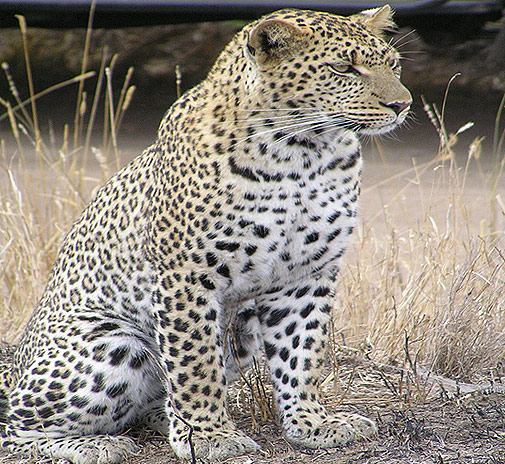
The country is home to gorillas, chimpanzees, and various species of monkeys, as well as leopards, buffalo, antelope, elephants, hippopotamuses, crocodiles, and different types of snakes, including pythons. Some of the animals are shown below.



Flora
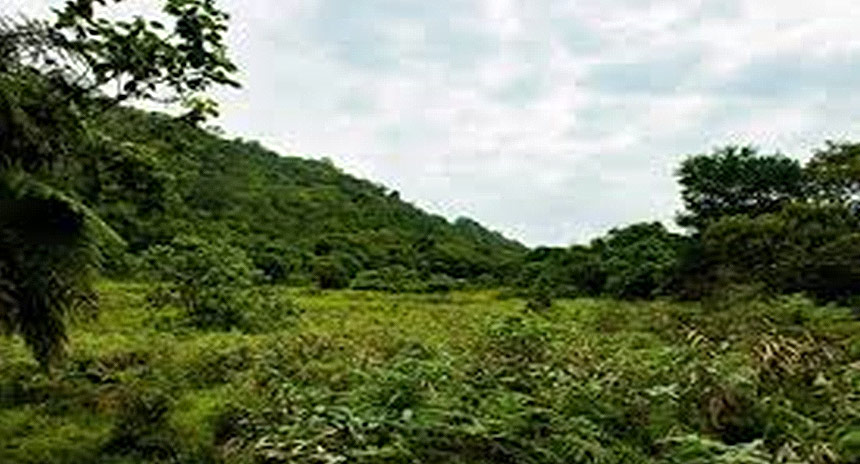
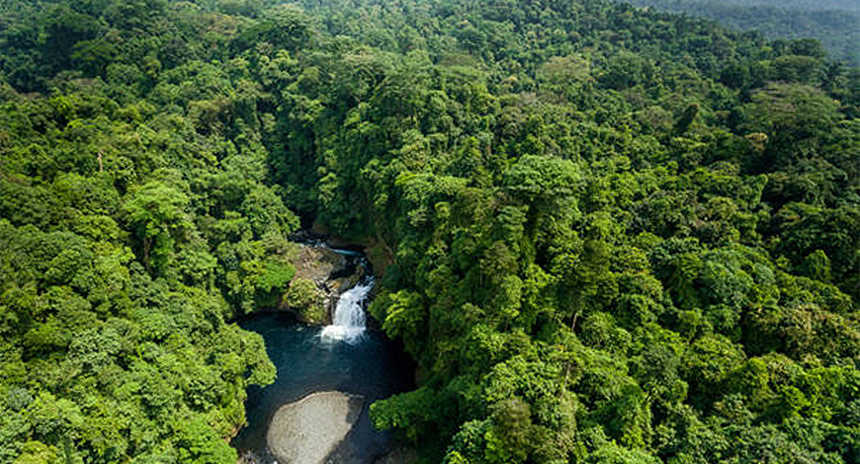
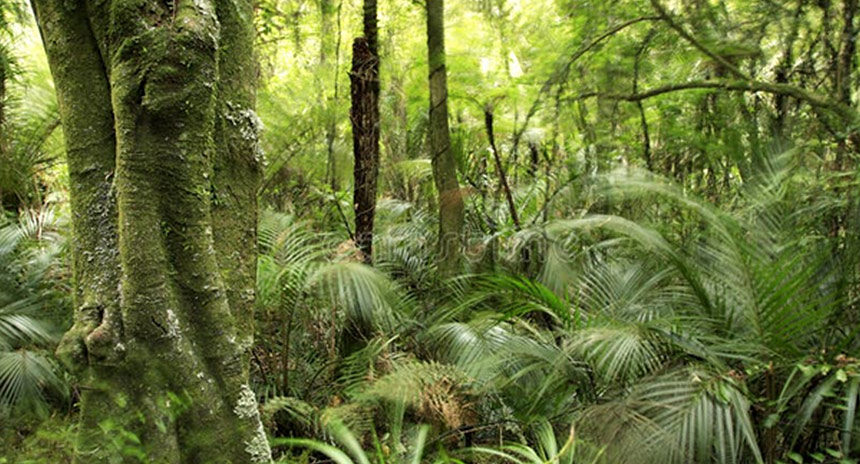
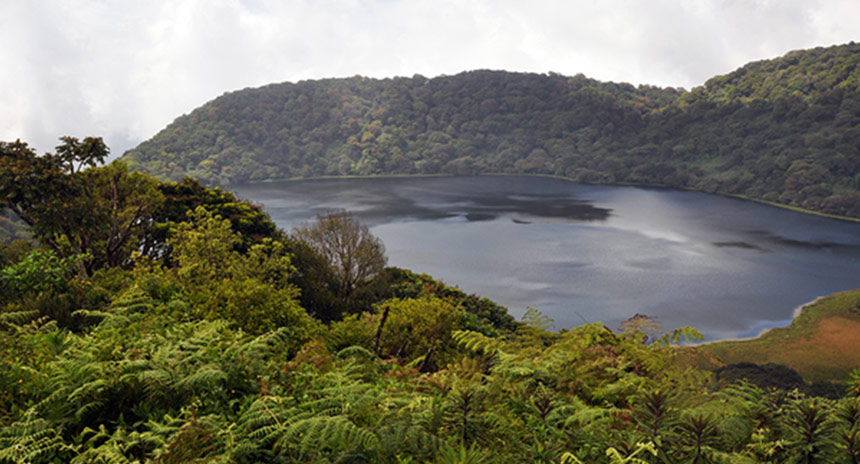
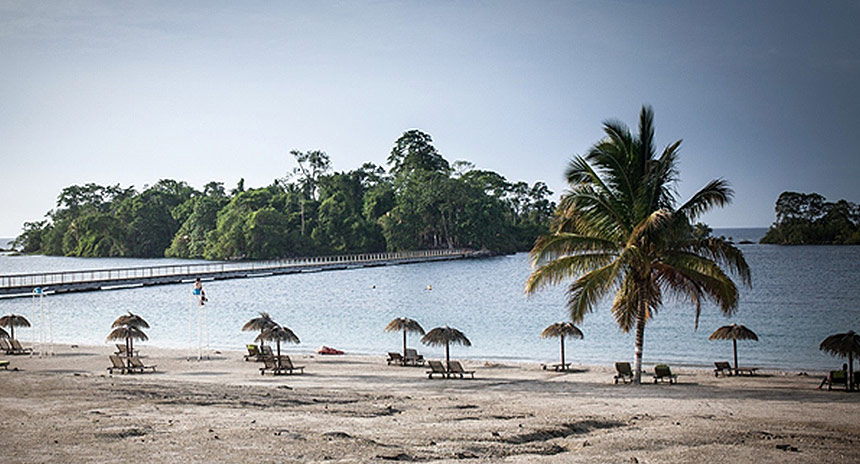
Equatorial Guinea’s flora is characterised by dense tropical rainforests with over 140 species of trees, including commercially important ones like ‘Okume,’ as well as coastal mangroves and a rich variety of endemic species, particularly on Annobon Island. The pictures below capture some of the rich flora of the country.

Beaches

Culture
The country’s culture is a mix of ancient indigenous traditions and European influences, particularly Spanish. Key aspects include vibrant music and dance with both traditional and Spanish-influenced styles, a blend of Roman Catholicism and animist beliefs, and a family-centric social structure. Fang people, who constitute the largest ethnic bloc, contribute more to the diverse language, food and art in the country.
Traditional Attire
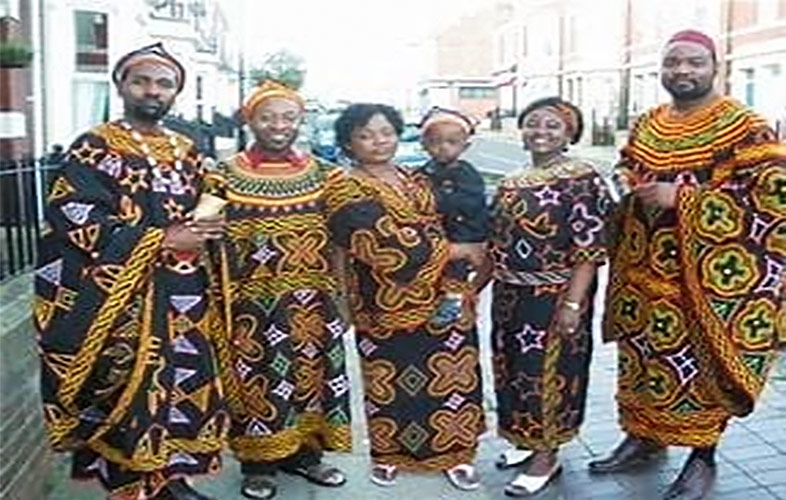
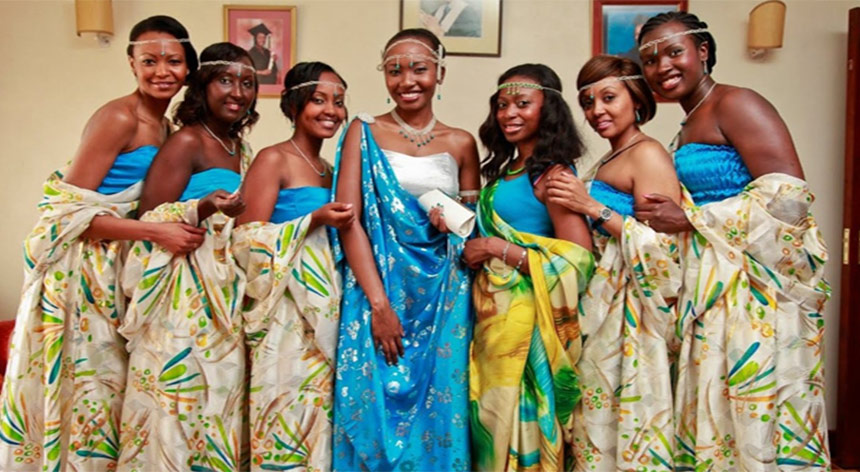
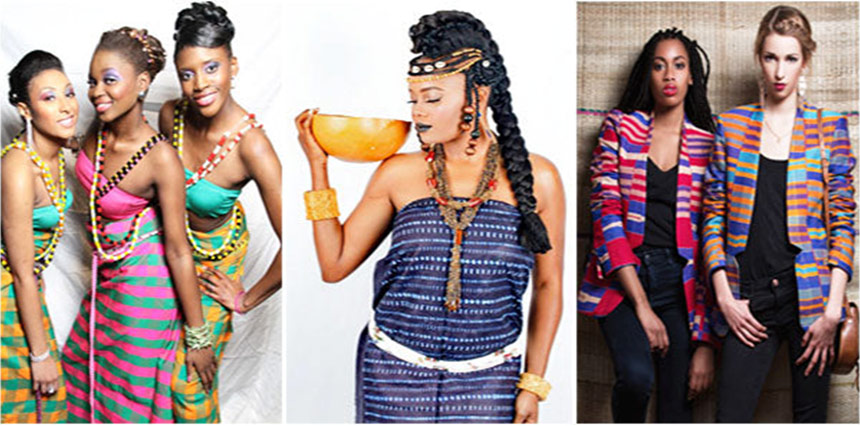
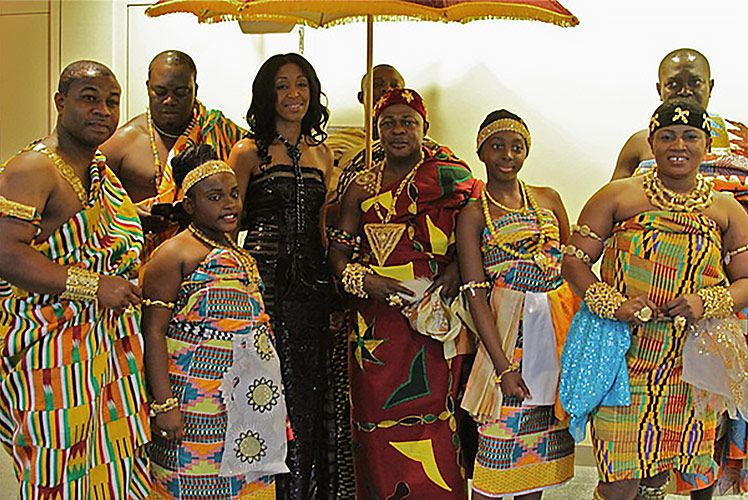
Equatorial Guinea’s traditional attire includes loose-fitting, long gowns and robes for men, and long dresses or loose tops with long skirts for women. These are often made from colourful fabrics like the Pagne. The boubou, a classic, long robe is a common traditional garment worn by both men and women, particularly for weddings and festivals. Both men and women frequently wear head wraps or hats. Some of the traditional attires are shown below.


Cuisine
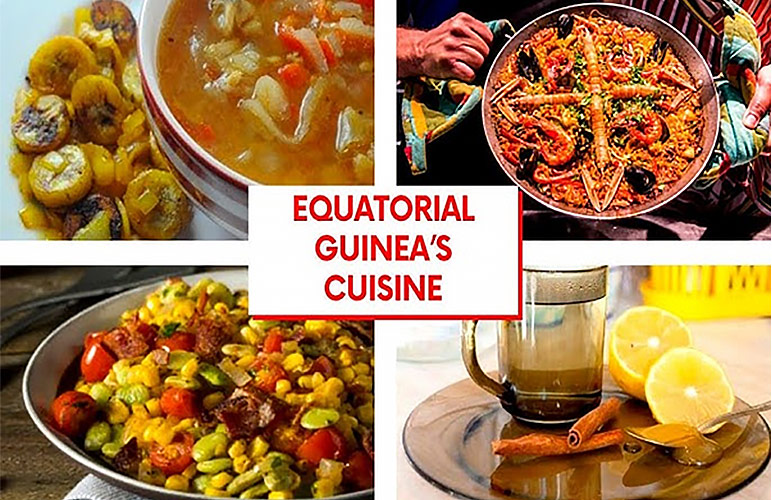
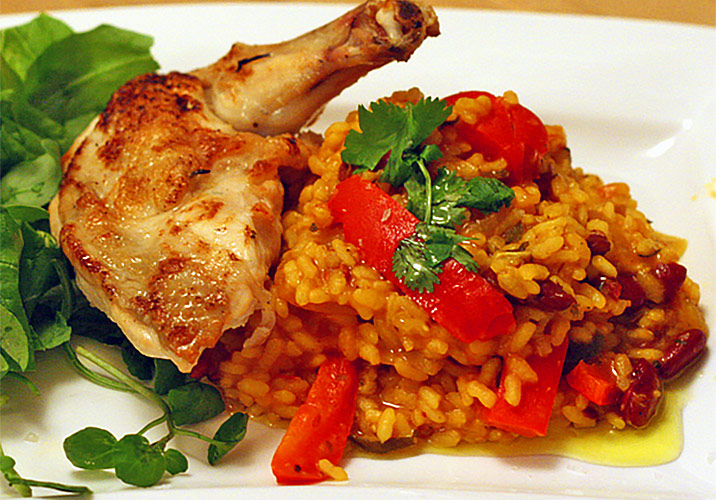
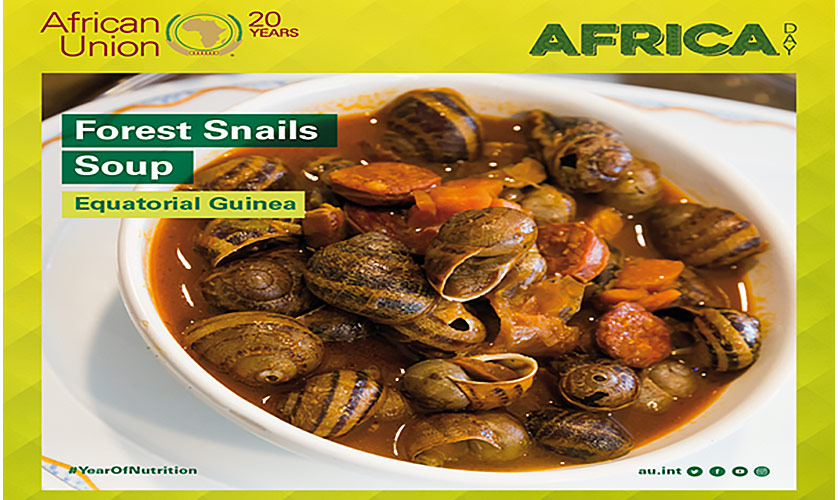
The country’s cuisine is a blend of indigenous traditions, Spanish colonial influences, and other Africa flavours. It is known for strong, spicy, and flavourful dishes. Key ingredients include fish, chicken, plantains, cassava, and a variety of vegetables, often prepared as hearty stews, soups, or grilled dishes. Some of the popular ones are shown below.


Status of Christianity in Equatorial Guinea
Roman Catholicism is the preferred faith of nearly 87% of the people of Equatorial Guinea. It has assumed the status of a state religion due to its overbearing influence on affairs of the country. While Christian groups also exist and operate schools, obtaining registration and other legal permits can be complicated for non-Catholic missions.
It is worth noting that many who claim to be followers of Jesus Christ also practice some elements of indigenous religions, leading to a blend of faiths. This is particularly noticeable among Catholics. This sad situation has affected the propagation of the true Gospel in the country. There is no concord between Christ and Belial (2 Corinthians 6:15). Darkness and light cannot cohabit; neither can there be a compromise between death and life. Let us pray for God’s light to destroy all forms of darkness in the country and set its people free from captivity.
Prayer Points
- Pray that God would destroy all platforms and infrastructure of darkness in Equatorial Guinea, including those using His name to promote the work of satan.
- Ask the Father to uproot all demonic principalities and powers from the country and destroy their influence on its people.
- Pray that the Holy Father would destroy faulty foundations laid in errors and demonic doctrines in the lives of those who claim to be Christians but have embraced death and darkness.
- Ask the Father to lay a new foundation in them that is only through His Son Jesus Christ.
- Pray that the Father would send labourers to His harvest in the country from within or outside its shores.
- Ask the Father to sanctify all Christian believers with His word, which is the only TRUTH,
- Pray that Christian believers would yield to the leading of the Holy Spirit in all their endeavours, that they might truly be the epistles of Christ read by all men.
- Pray that the Father would empower Christian believers with His Spirit for the ministry of the word and prayer.
- Ask God to open doors in Muslim and animist dominated areas for the Gospel of the Kingdom to be preached without hindrance.
- Ask the Father to save the souls of all those under captivity of satan and his demons, using President Teodoro Obiang Mbasogo as point of contact.
Intercession Checklist
Use the political map of Equatorial Guinea provided in the text to pick a town, city or region for focused prayer. Present the chosen geographical space to the Father and tell Him that you are claiming unsaved souls there for Christ as His ambassador (2 Corinthians 5:20). Remind the Father that He had instructed the Messiah to ask for the entire earth as His inheritance (Psalm 2:8).
***** Some materials sourced from Artificial Intelligence (AI) Overview on Google.com; Equatorial Guinea, https://en.wikipedia.org