- Home
- God's Canvass & Culture
- Christianity in Ethiopia

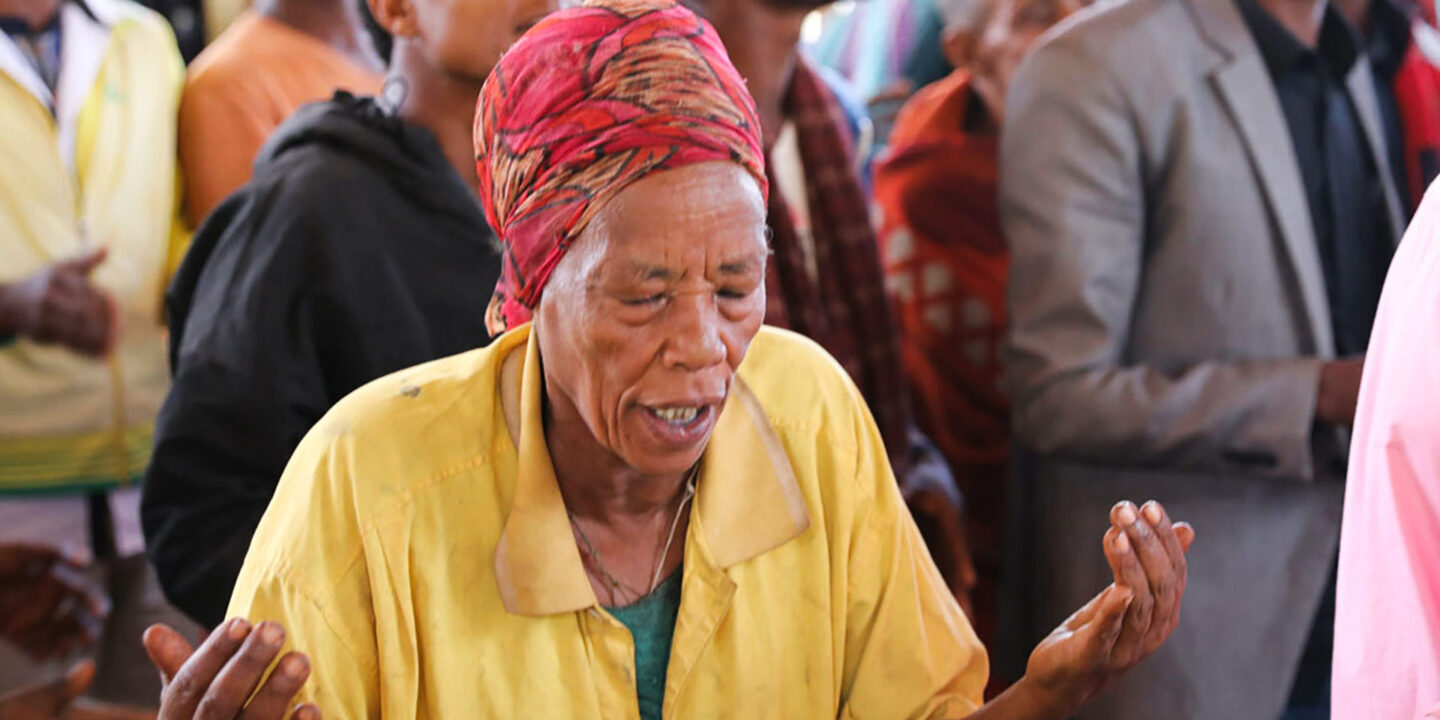
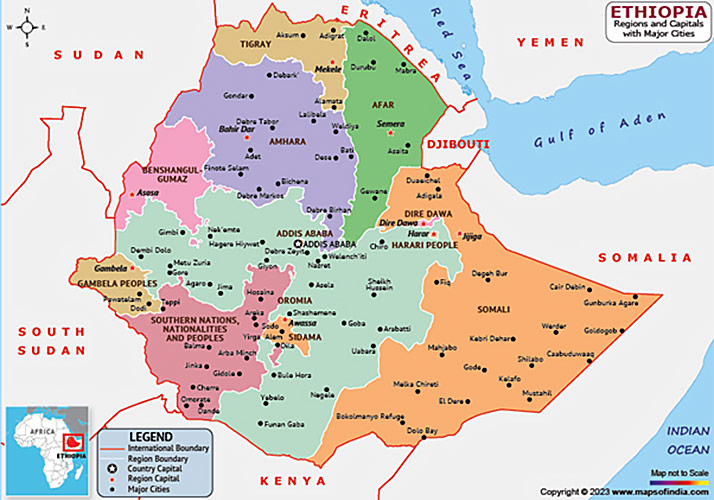
Christianity in Ethiopia: The Federal Democratic Republic of Ethiopia is located in the Horn of Africa region of East Africa. It shares borders with Eritrea to the North, Djibouti to the Northeast, Somalia to the East, Kenya to the South, South Sudan to the West, and Sudan to the Northwest. The capital and largest city is Addis Ababa, while the official languages are Afar, Amharic, Oromo, Somali and Tigrinya.
The country has a human population of 135,500,000, spread across many ethnic groupings. These include Oromo, 32.5%; Amhara, 23.9%; Somali, 12.2%; Tigrayan, 6.1%; and Sidama, 4%. Ethiopian Orthodoxy is the dominant faith at 43.8%, Evangelical Protestant denominations (P’ent’ay), 22.8%; other Christian groups, 0.7%; Islam 31.3%; traditional African religion, 0.6% and others, 0.8%.
Brief History
Ethiopia is the oldest independent nation in Africa, rarely colonized and rooted in the ancient Aksumite Empire (1st-7th century AD), which adopted Christianity early. It was a medieval feudal monarchy, enduring the “Era of Princes” (1769-1855) before modernising and defending against Italy (Battle of Adwa, 1896). Following the 1974 Marxist coup, the country transitioned through a military dictatorship marked by modernisation, ethnic conflict, and the 2020-2022 Tigray war. After the fall of the communist regime in 1991, Prime Minister Abiy Ahmed, elected in 2018, implemented ethnic federalism. Though he enacted some positive reforms, which earned him the Nobel Peace Prize, he faced the major Tigray conflict from 2020 to 2022.
The country holds a unique position as a symbol of African independence, serving as a founding member of the United Nations and the African Union. The incumbent President is Taye Atske Selassie, while Ahmed is still Prime Minister.
God’s Canvass in Ethiopia
Ethiopia has a diverse ecological system ranging from the deserts along the eastern border to the tropical forests in the south, to the extensive Afrotropical realms in the northern and southwestern zones. The fauna and flora of the country are presented below.
Fauna
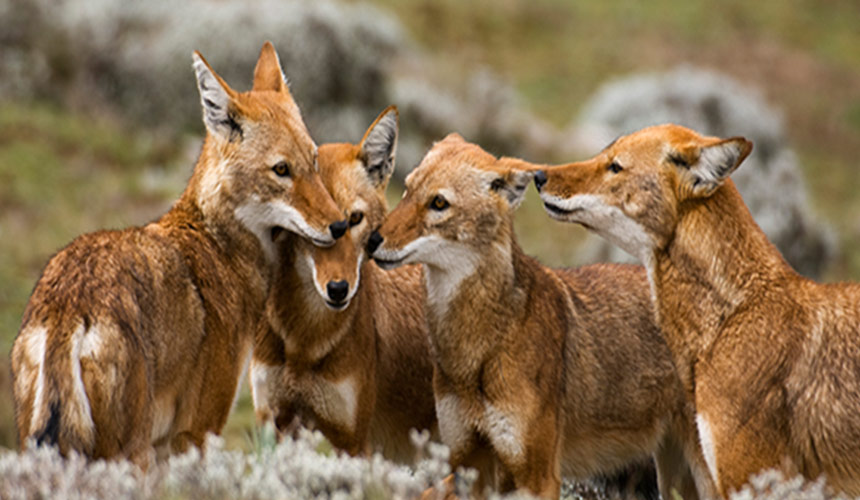
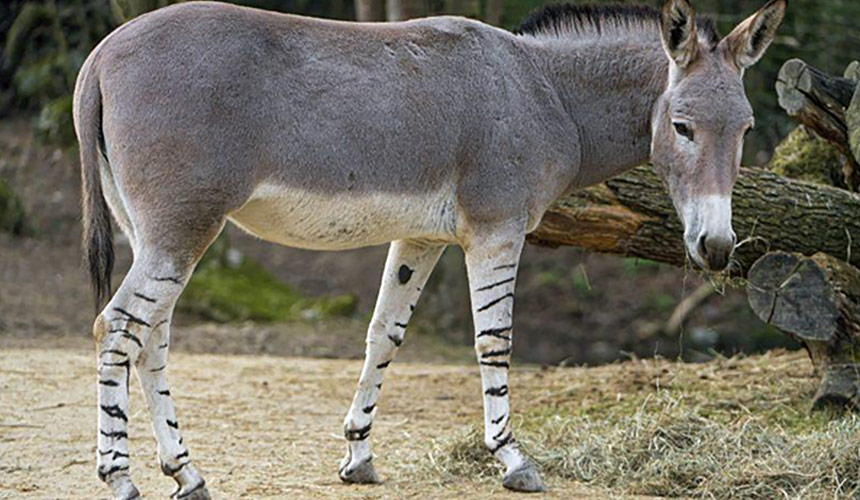
The country is home to some of the most unique and diverse fauna in Africa, largely due to its varied topography ranging from rugged highlands to arid deserts. It plays host to over 280 animal species, 860 bird species, and hundreds of reptile and amphibian species. The animals include wolves, monkeys, elephants, lions, goose, spotted hyena and buffalo. Some of them are shown below.

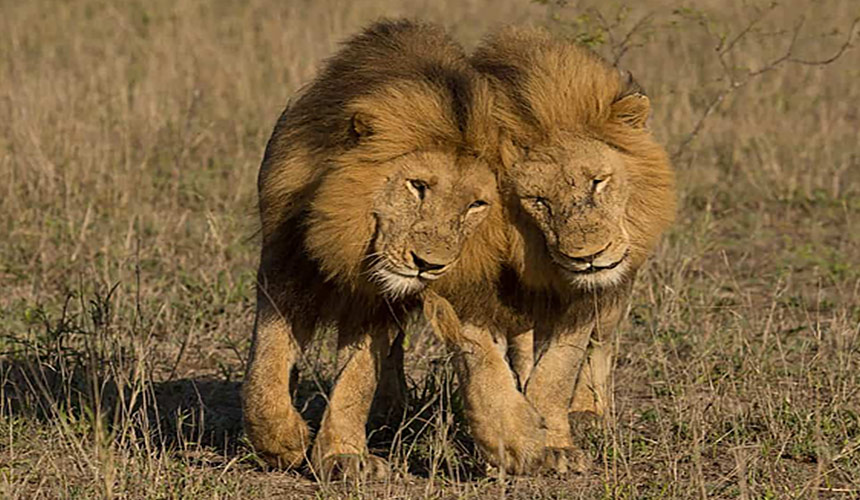
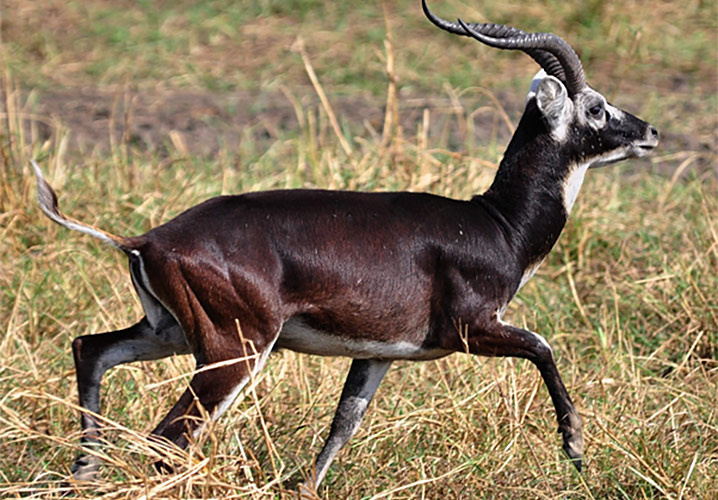
Flora
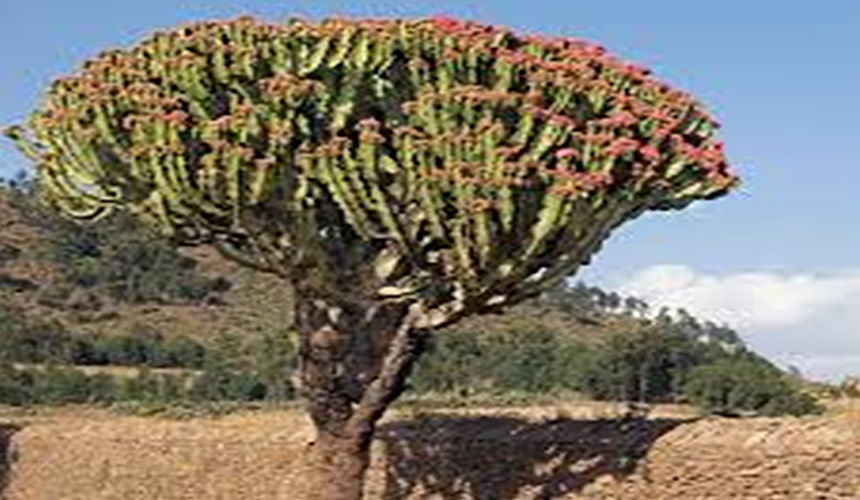
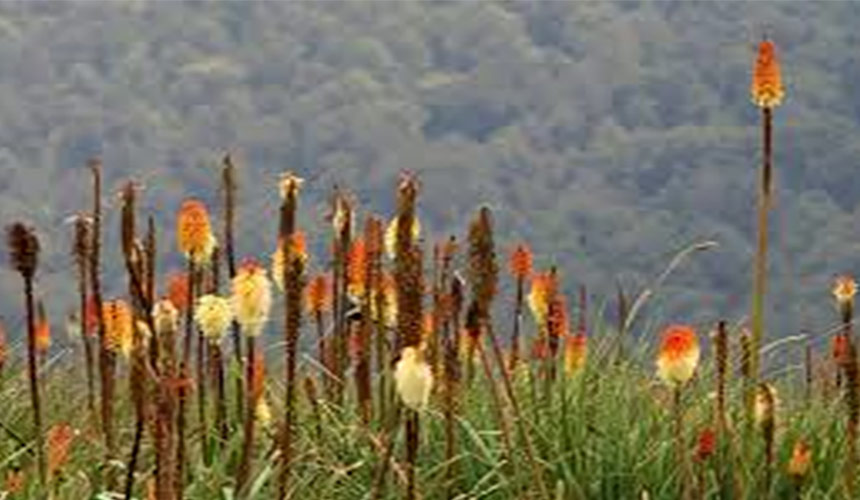
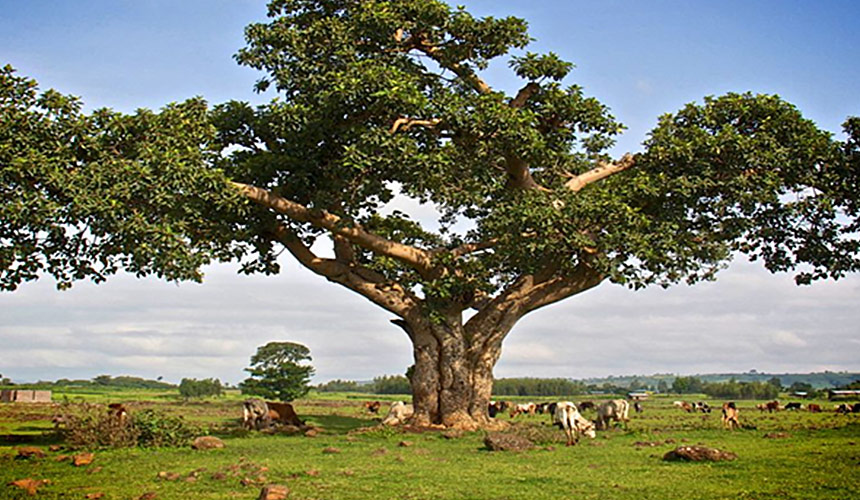
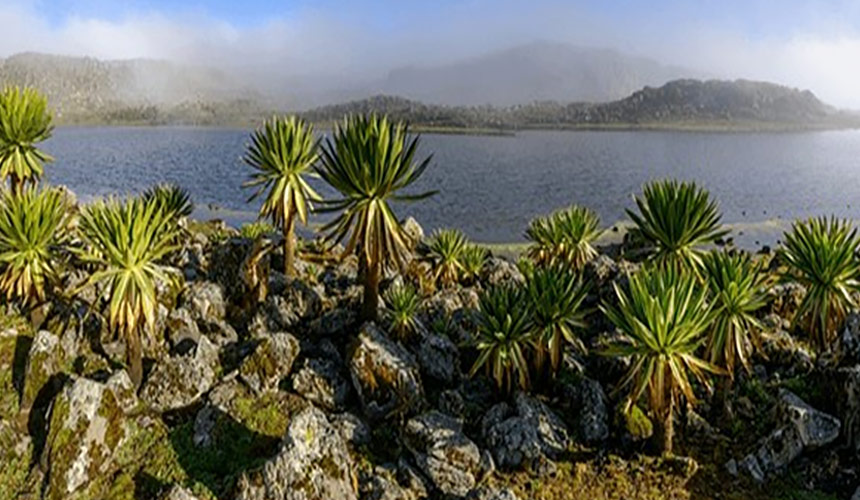
The flora of Ethiopia is exceptionally diverse, characterised by high levels of endemism, due to its varied topography, altitude, and climate. The country boasts of over 1,000 species of trees, shrubs, and lianas. These include, acacia, moist evergreen montane forest, dry evergreen montane forest and afro-alpine /sub-afro alpine vegetation zones characterised by giant herbs and shrubs Some of the plants species are shown in the pictures below
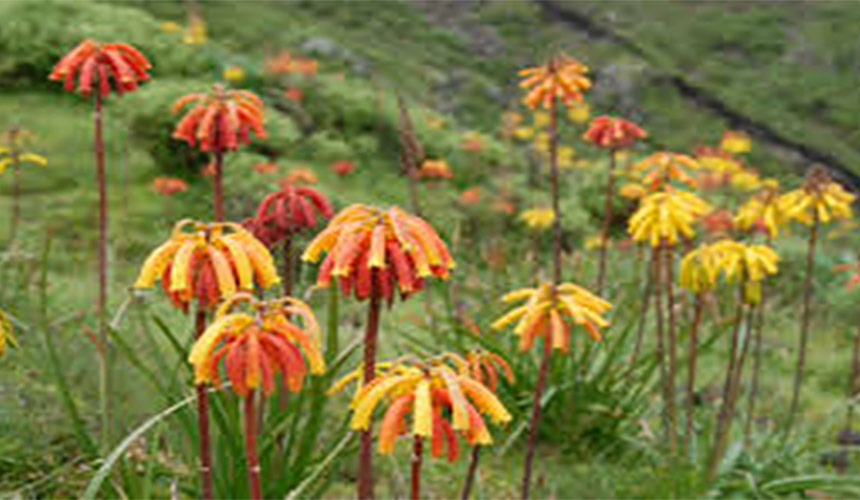

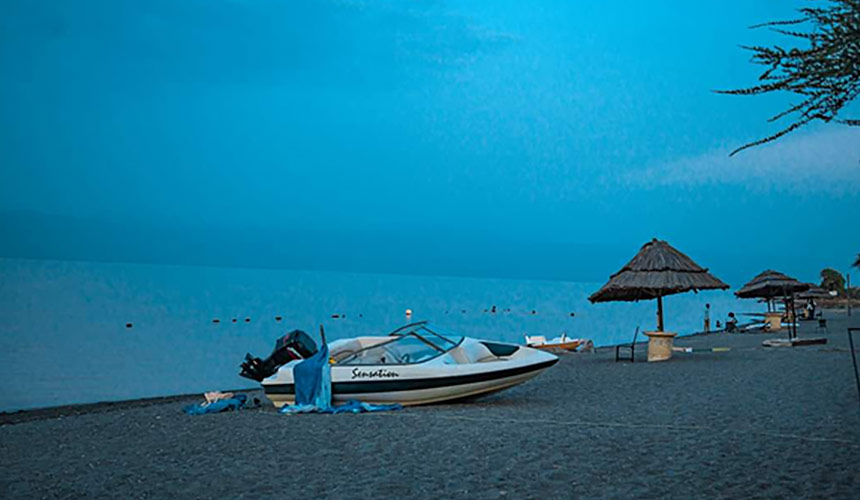
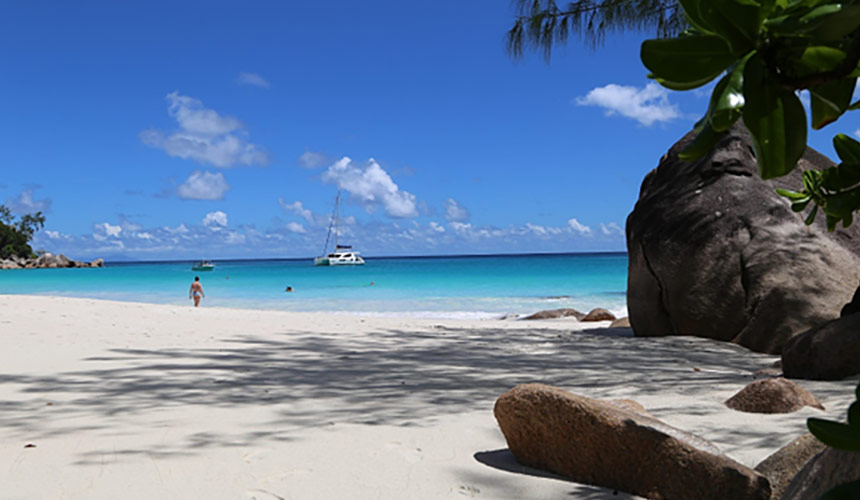
Beaches
Culture
Ethiopian culture is one of the oldest and most diverse in the world. It is characterised by a unique, independent development that reflects a blend of ancient African, Semitic, and to a lesser extent, European influences. As the only African nation never fully colonised, the country boasts of its own distinct calendar, alphabet, and timekeeping system. Its deeply religious population, rich coffee traditions, and a diverse, multi-ethnic society makes it unique.
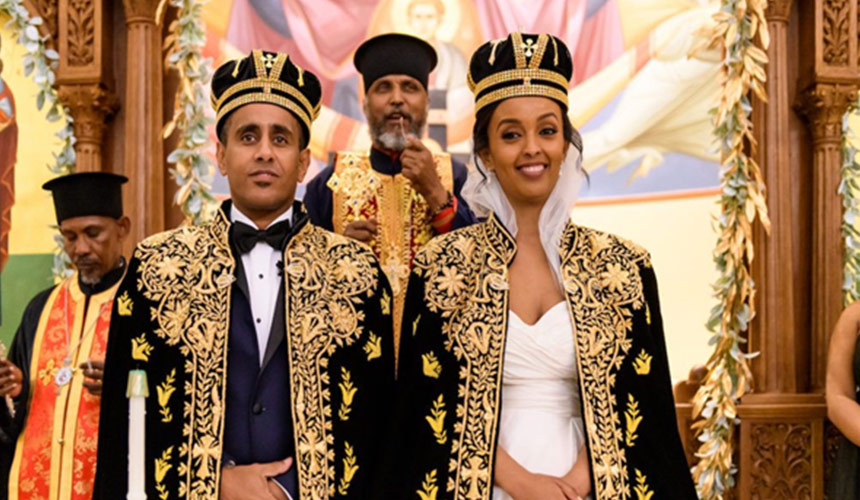
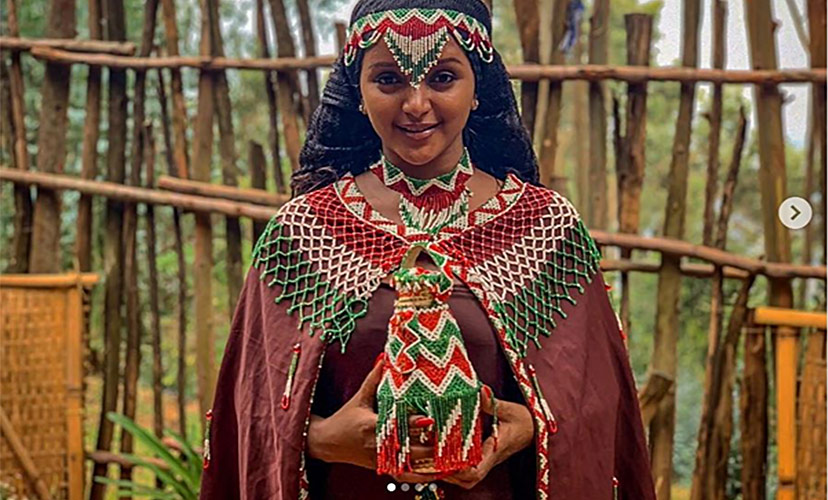
Traditional Attire
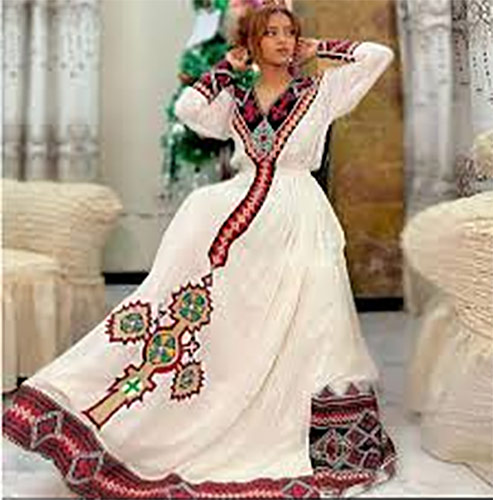
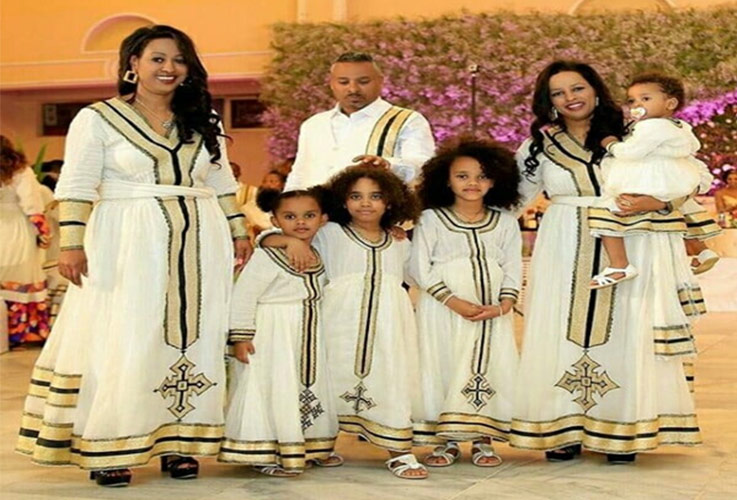
Ethiopian traditional clothing centres on hand-woven white cotton fabrics adorned with intricate, colourful embroidery. The primary traditional attire for women is the Habesha Kemis, an ankle-length dress typically worn at formal events and holidays. Another one is the Tilf, which has intricate patterns, often featuring crosses or geometric shapes embroidered around the neckline, cuffs, and hem.
This is often paired with a Netela, a thin matching shawl wrapped around the shoulders and head. For the men, the traditional attire called Habesha Libs consists of a long-sleeved, knee-length shirt paired with matching trousers. Others are the Kuta and Kaba. Some of the traditional attires are shown in the following pictures.

Cuisine
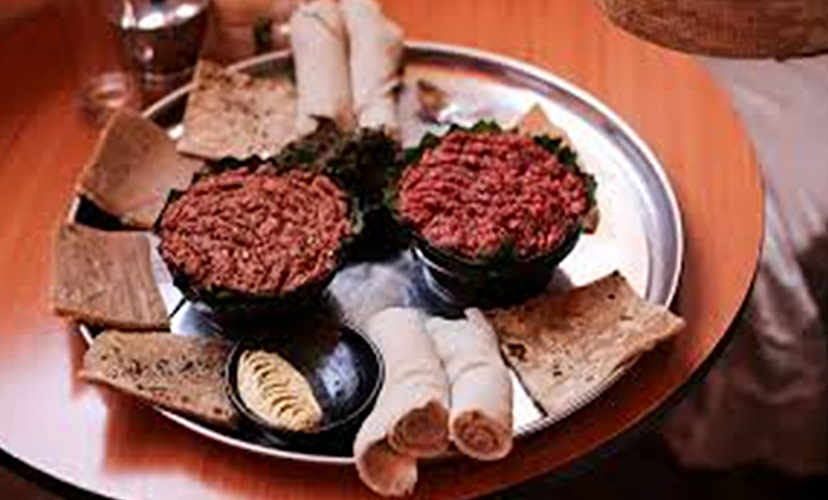
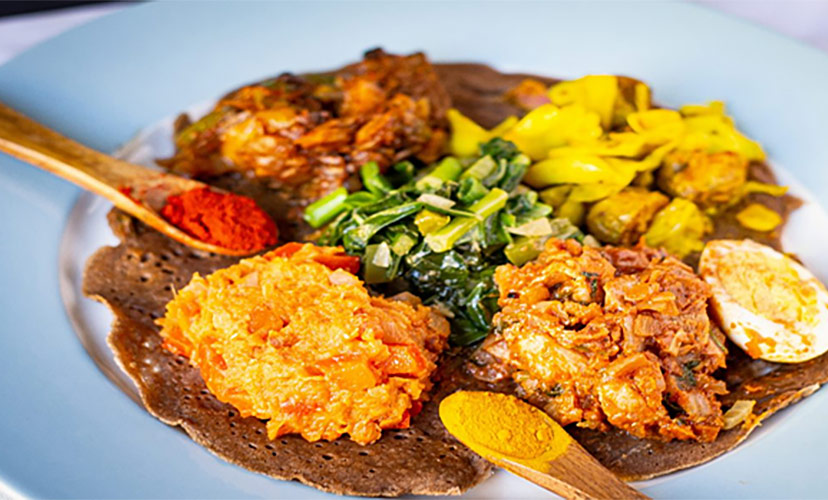
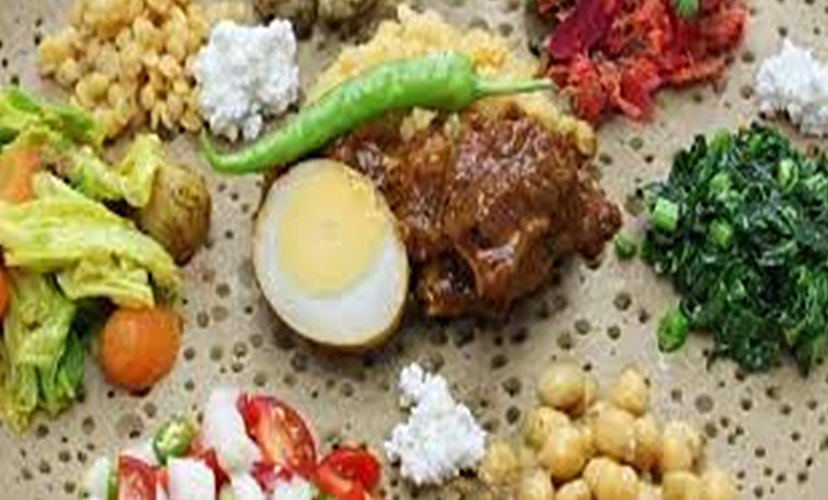
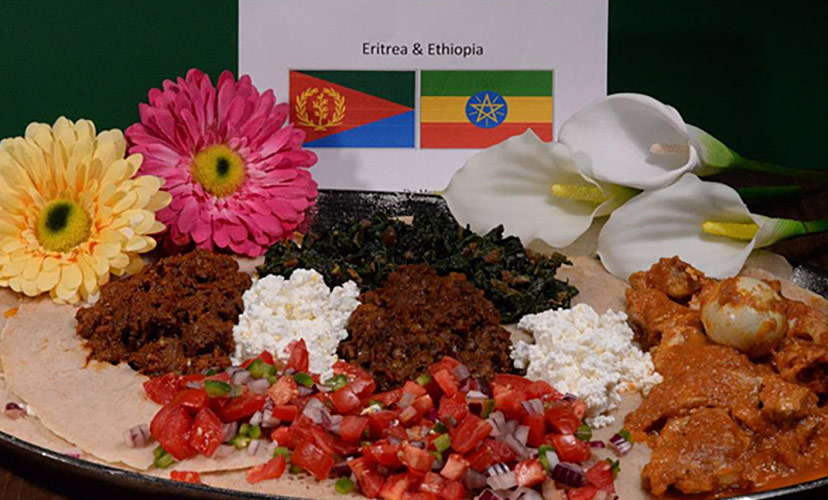
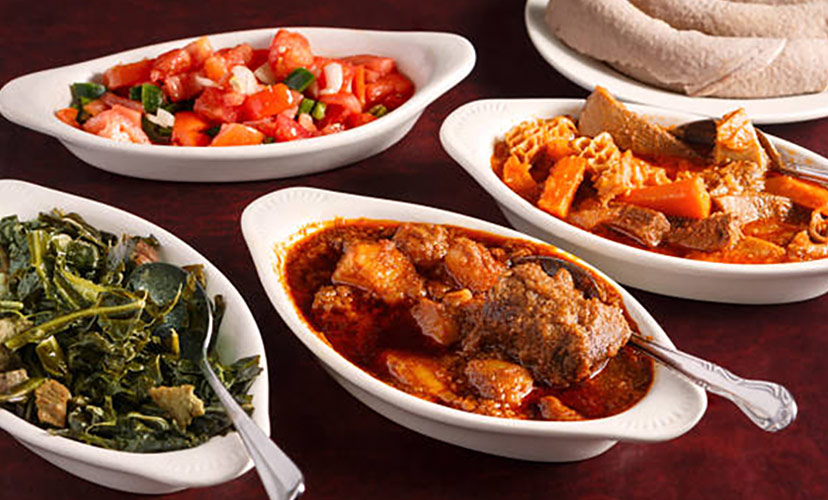
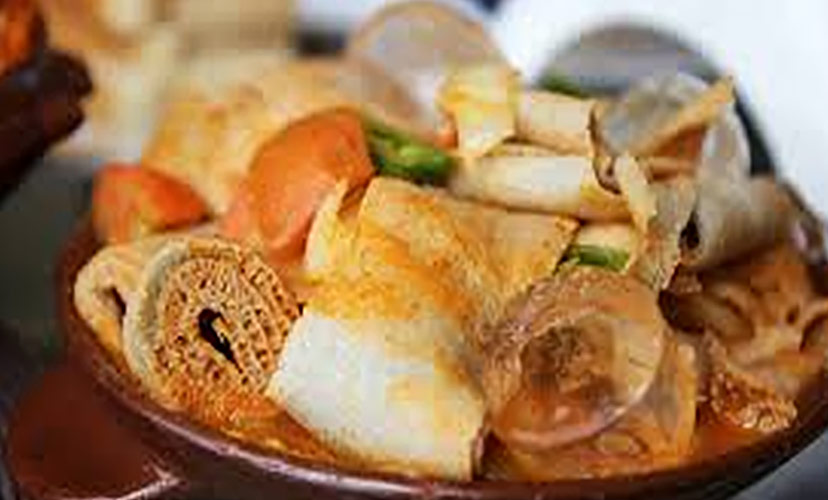
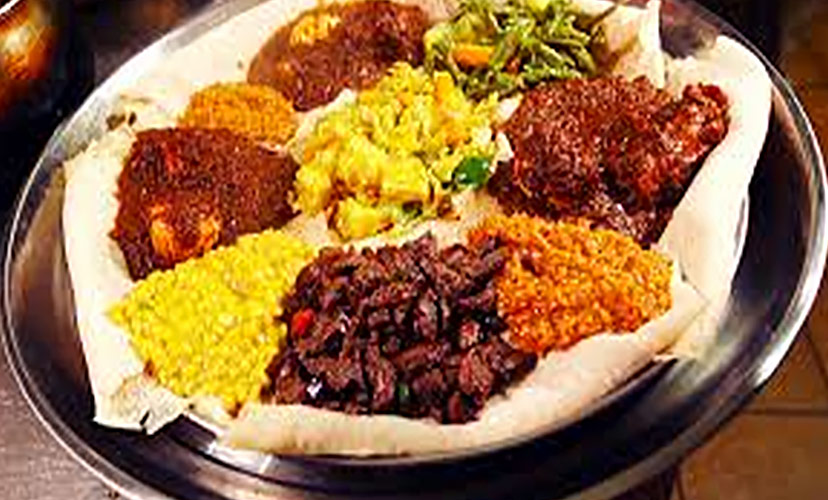
The country’s cuisine is a unique, vibrant, and highly communal culinary tradition, characterised by rich, spiced stews (wat) and a sourdough flatbread known as injera. It is distinct for its intense flavours – often achieved through a blend of chili peppers, herbs, and spices, and its strong tradition of vegetarian dishes, largely driven by Orthodox Christian fasting practices. Some notable dishes are shown in the pictures below.
Status of Christianity in Ethiopia
Ethiopia has one of the largest Christian populations in Africa and the world, with a strong, self-led, and mission-minded evangelical movement. Challenges and persecutions are however rife in regions like Oromia and Amhara, where believers face rising threats, including mob attacks, burning of church buildings, and other acts of violence, often linked to ethnic or local conflicts. In addition, evangelical churches have been denied the privilege of tax-free status, which the State endorsed Ethiopian Orthodox Church enjoys. Persecution is more severe in Muslim dominated areas, where those who convert to Christianity face severe hostility.
It is noteworthy that the Ethiopian Orthodox Church (EOC), which has long influenced national identity, often portray Protestant and Evangelical Christians as foreign and unpatriotic. This fuels widespread stigmatisation and pressure, especially against believers who have left Orthodoxy for other Christian traditions. These believers also face pressure from their Orthodox families and communities. In the light of the aforementioned challenges, it is imperative that we intercede for the church of Christ, as well as unsaved souls in Ethiopia. The following prayer points are for guidance. Believers are encouraged to pray as the Holy Spirit leads them.
Prayer Points
- Thank the Father for the privilege He has given to us to be His children, which gives us the right to access His throne of grace
- Ask Him to judge and dethrone from the hearts of all Ethiopians, all demonic principalities and powers fuelling ethnic and religious tensions in the country.
- Pray that God would remove the veil of darkness placed on the hearts and minds of saved persons in Ethiopia that make them hostile to the Gospel of Christ.
- Ask the Father to pour out His spirit on all unsaved persons in the country and grant them the grace to embrace the Truth – His Son Jesus Christ. Use the President, Taye Atske Selassie as a point of contact.
- Pray that God would destroy faulty foundations laid in the lives of some Christians that opens them up to pollutions from heresy and doctrines of demons.
- Ask the Father to purge these Christians of these pollutions and sanctify them by His word, the only Truth worth pursuing.
- Pray for converts from other faiths, especially Islam and African traditional religion. Ask the Father to strengthen their faith in Him and to help them resist the pressure to return to their former lives.
- Pray that the Father would send labourers into His harvest in Ethiopia.
Intercession Checklist
From the political map of the country provided in the text, select a town, city or region for focussed prayer. Present the chosen geographical space to the Father, and tell Him that you are claiming its people for Christ as His ambassador (2 Corinthians 5:20). Remind the Father that He had instructed the Messiah to ask for the entire human race as His possession (Psalm 2:8).
***** Some materials sourced from Open Doors – Ethiopia, https://www.opendoors.org; Christianity in Ethiopia: An Interview with Dr Frew Tamrat, https://modernreformation.org; Ethiopia, https://en.wikipedia.org.