- Home
- Health + Beauty
- Natural Skin Care Regime for E ...

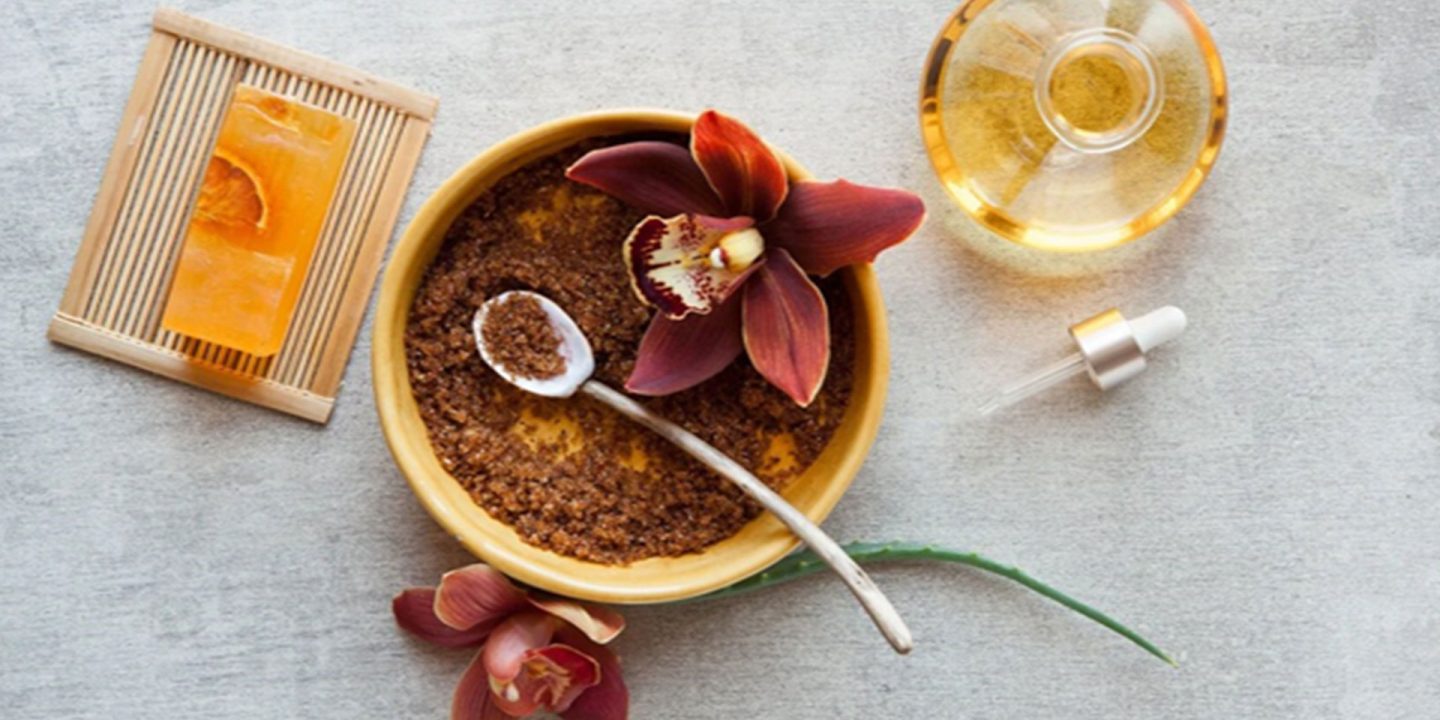
We are presenting the final segment of the natural skin care regime in this edition of the magazine. This segment focuses on use of natural moisturizers and facial masks.
Moisturizers
The basic job of hydrating moisturizers is to add moisture to dry skin. The benefits of applying moisturizers are:
- To prevent dryness – Cold weather, air conditioning or indoor heat can cause the skin to lose water, thus becoming flaky. This is where a good moisturizer comes in. It not only replaces moisture that has been lost, but helps prevent future loss;
- To prevent premature aging – The fact is that hydrated skin is younger-looking. And that plump, firm feeling you get after giving your face a dose of hydration is actually helping to slow down the skin aging process;
- To help fight acne – It might seem strange to add more moisture to already oily-prone skin, but it actually makes sense. Think of it like this – When your skin gets dry, it sends a message to your glands to produce more oil that can clog your pores and cause breakouts. So, if the skin is properly hydrated, it can actually help stop it from producing more oil than it needs;
- To protect the skin from the sun – Invest in a 2-in-1 moisturizer that contains sun protection;
- To sooth sensitive skin – Got red, irritated skin? Do you have dry, itchy patches? Sensitive skin needs extra care. Look for a moisturizer that has soothing ingredients like aloe vera, chamomile, oatmeal and honey.
When Should You Moisturize?
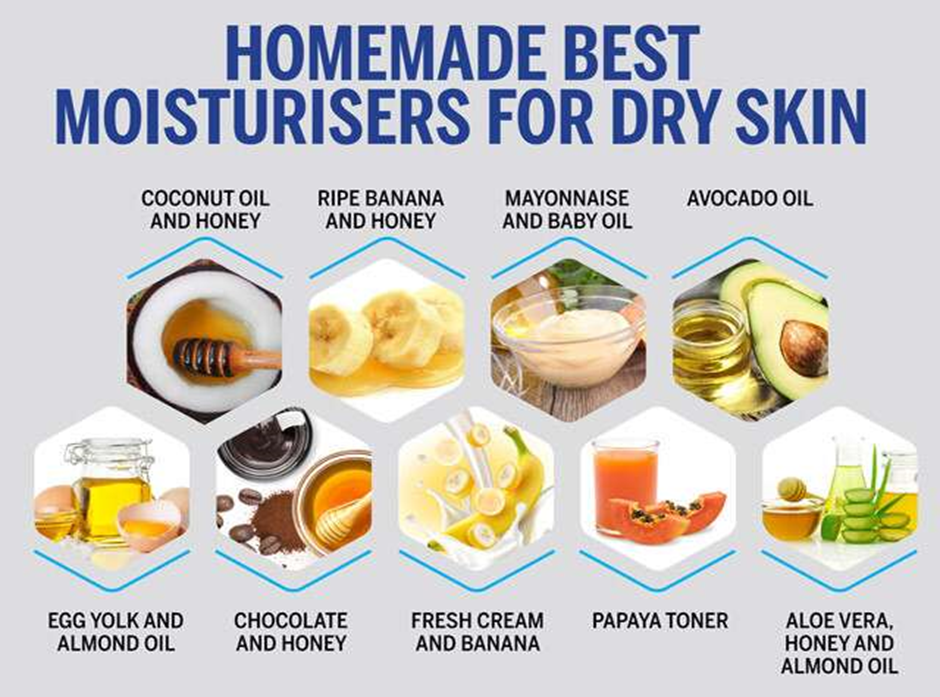
Since you wash your face morning and night, it is a good idea to moisturise right after rising it with water. In the morning, opt for a light moisturizer like honey. In the evening, use something like coconut oil or egg white.
How to Moisturise Your Face
- After washing your face, pat it dry before applying the moisturiser.
- Make sure you apply the moisturiser gently, using upward strokes. Never press or pull on your skin.
If you are going to apply make-up, use the moisturiser before foundation.
Use of Masks
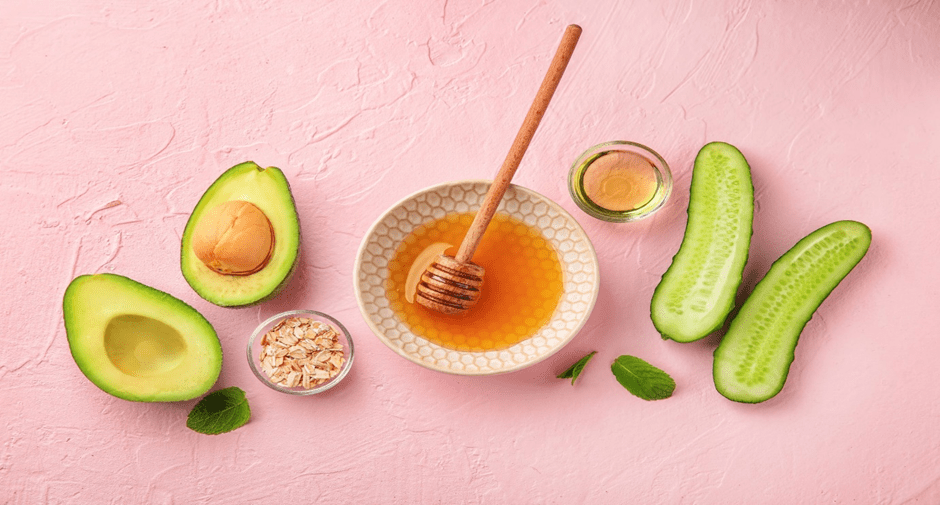
A facial beauty mask is a creamy or thick-pasted substance or material applied to clean or smoothen the face. Facial masks often contain minerals, vitamins, and fruits extracts such as cactus and cucumber. You can make masks at home with strawberries, yoghurt, turmeric, aloe vera, orange, egg, oatmeal, cucumber, avocado, papaya, honey and milk.
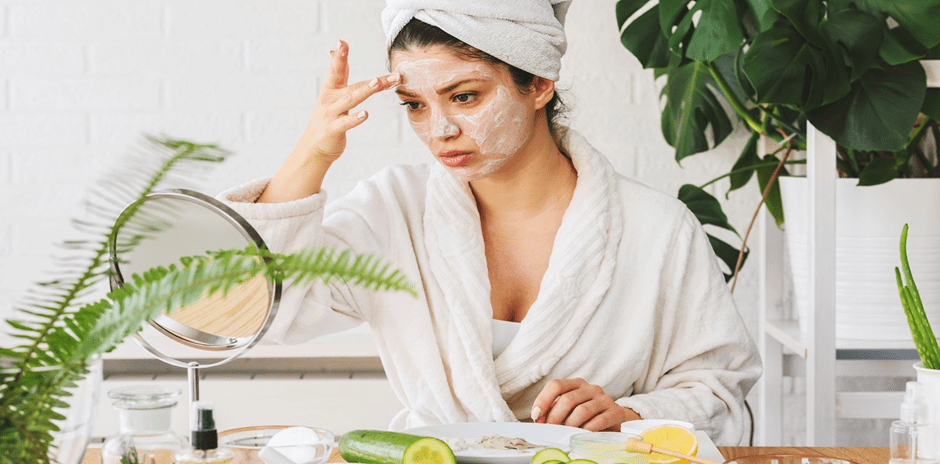
Apply these masks to your face and leave them on for 20 minutes before rinsing them off with warm water. This could be done once or twice a week depending on your skin type.

***** Some materials sourced from Five Benefits of Moisturising You Need to Know, https://www.stives.com; Facial Mask, https://www.en.m.wikipedia.org; 16 Simple Homemade Face Masks for Glowing Skin, https://www.stylecraze.com.